
Raised character checks
Loose 3D or 4D number plate letters: inspect or replace?
Check a lifting gel or acrylic character safely, understand why quick glue repairs are unreliable and know when to order a complete replacement plate.
Read the guide →
Find your finish, choose the right size and get ready to fit your plates. Practical advice from Vista Plates, all in one place.
Check a lifting gel or acrylic character safely, understand why quick glue repairs are unreliable and know when to order a complete replacement plate.
Read the guide →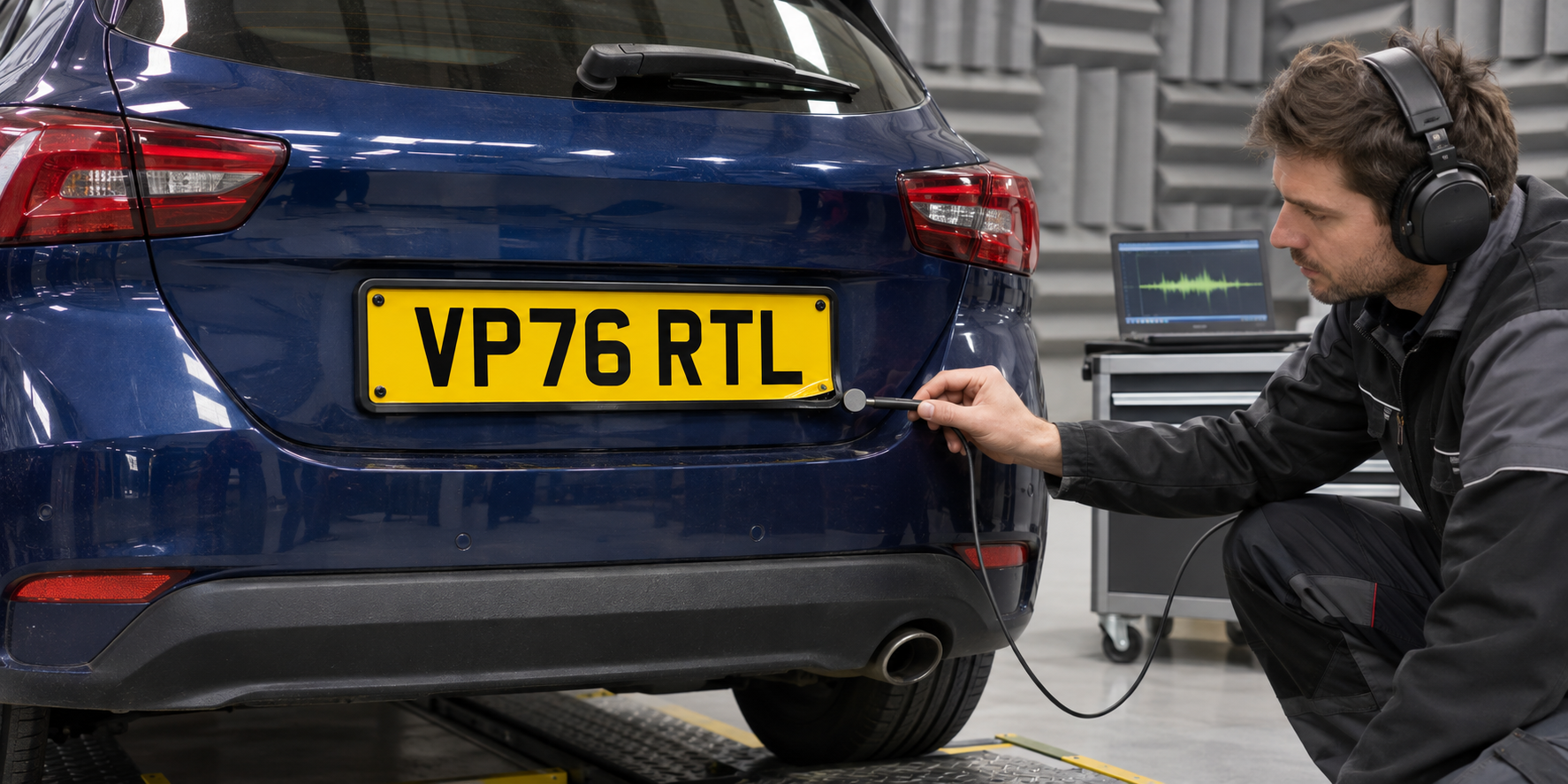
Find the source of a rattling plate, inspect holders, pads and screws, and refit it securely without cracking the plate or obscuring the registration.
Read the guide →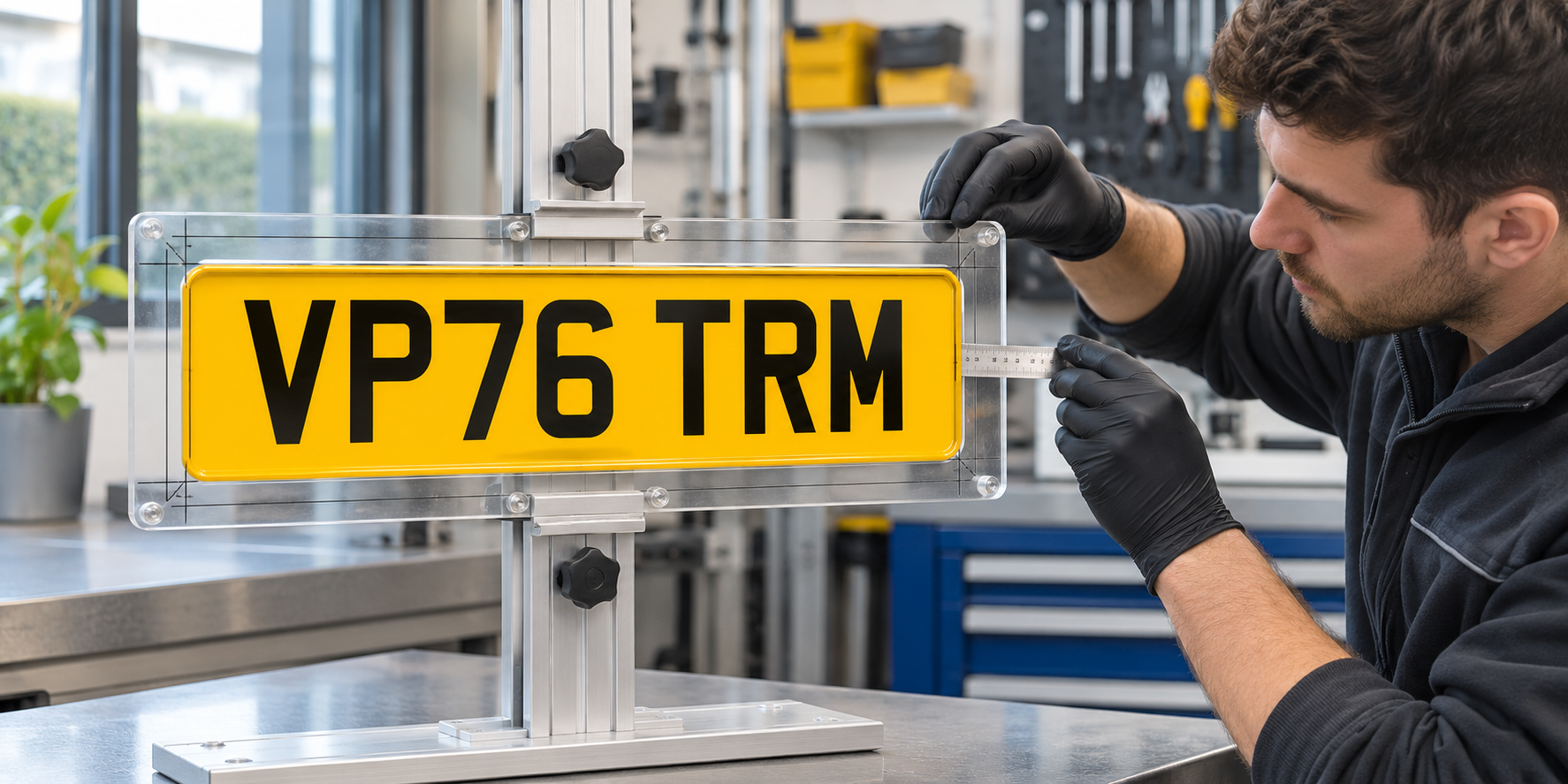
Understand why a finished plate should not be treated as blank acrylic, how margins affect size and what to measure before ordering a smaller replacement.
Read the guide →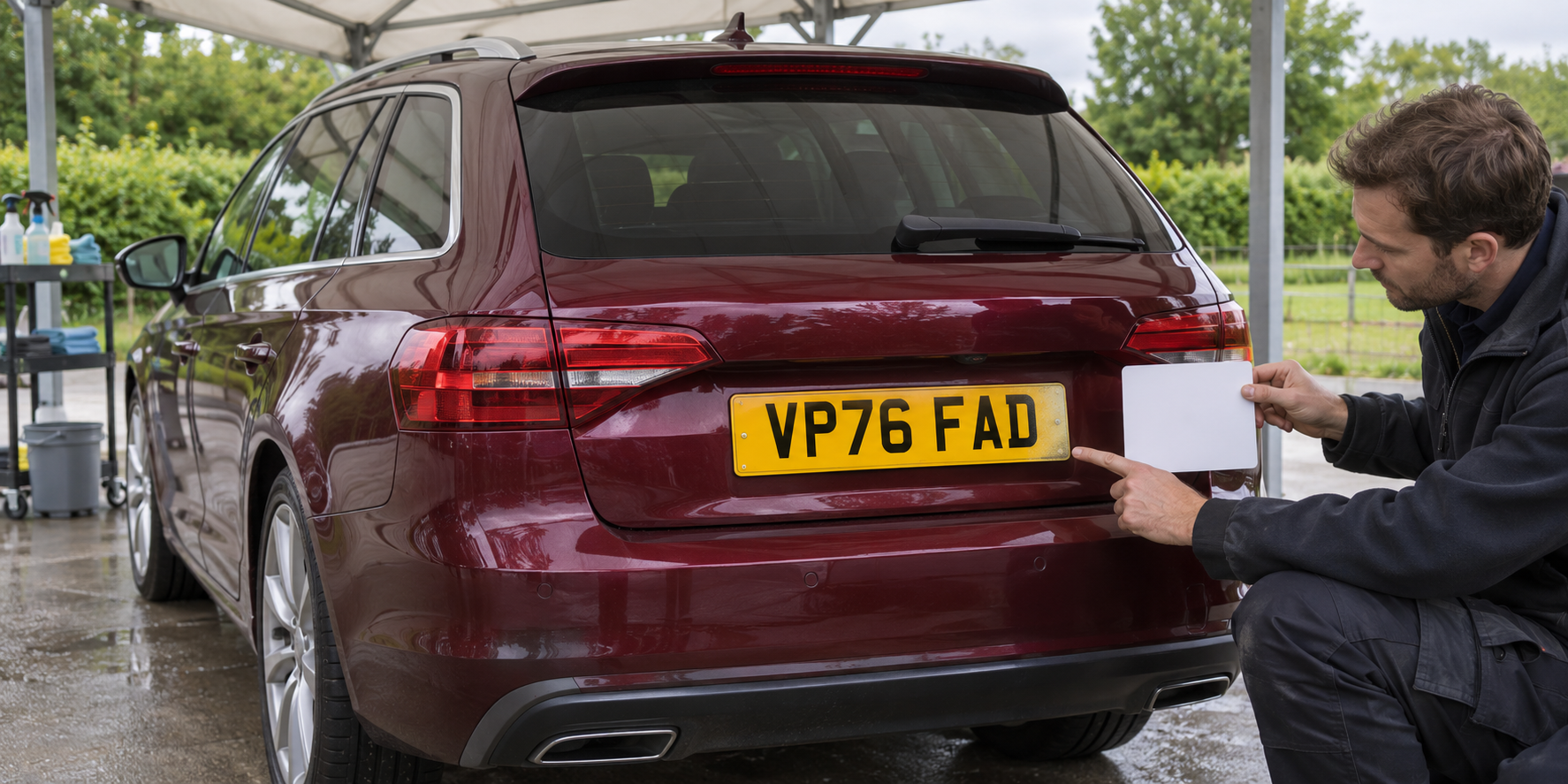
Tell surface dirt from lasting colour deterioration, check the plate in daylight and know when a replacement is the better option.
Read the guide →
Understand why a dashboard or windscreen plate is not a substitute for correct front fitting, and what to do when a plate comes loose or goes missing.
Read the guide →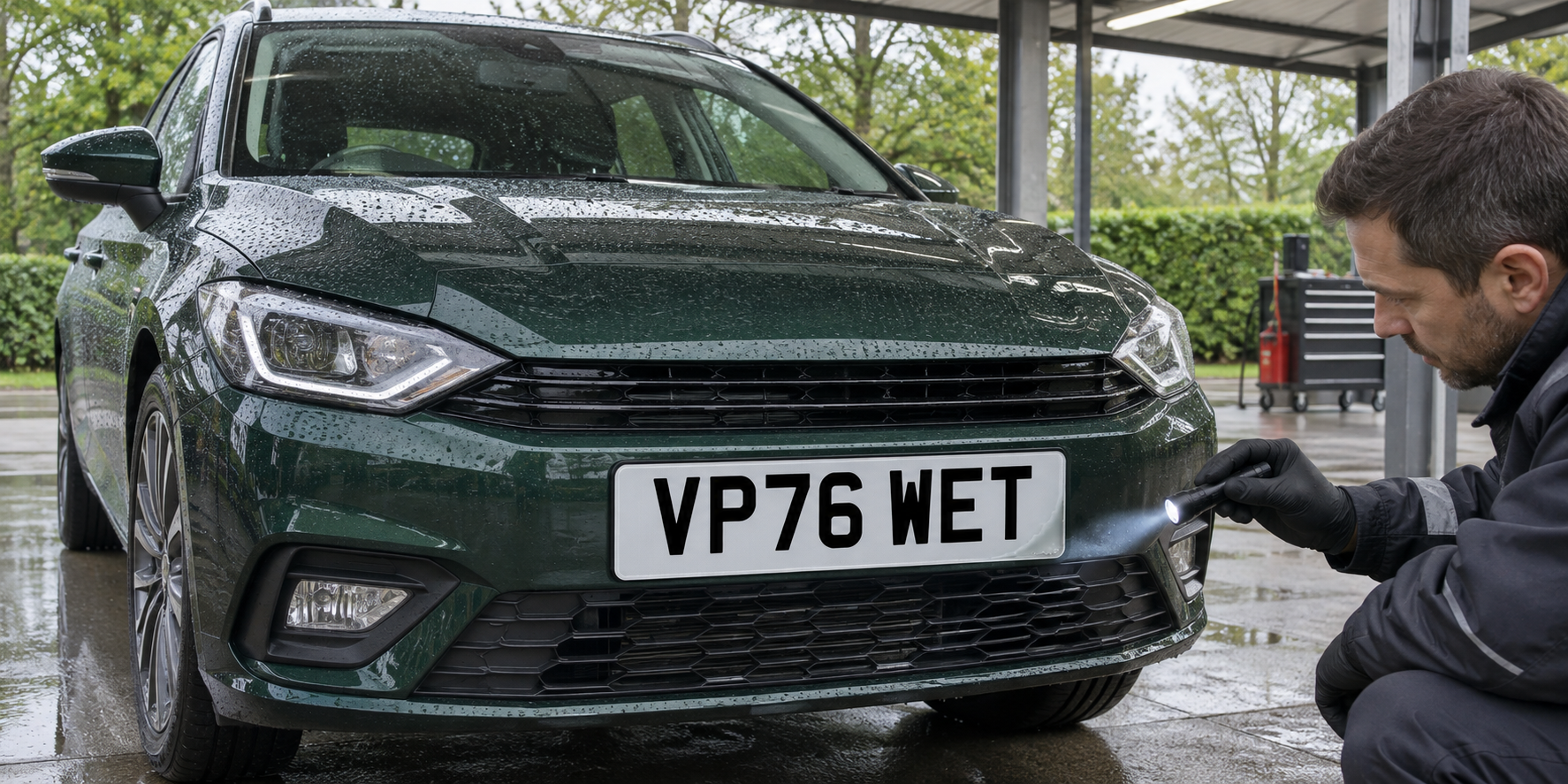
Tell surface water from trapped moisture, inspect the plate without making the damage worse and know when replacement is the safer choice.
Read the guide →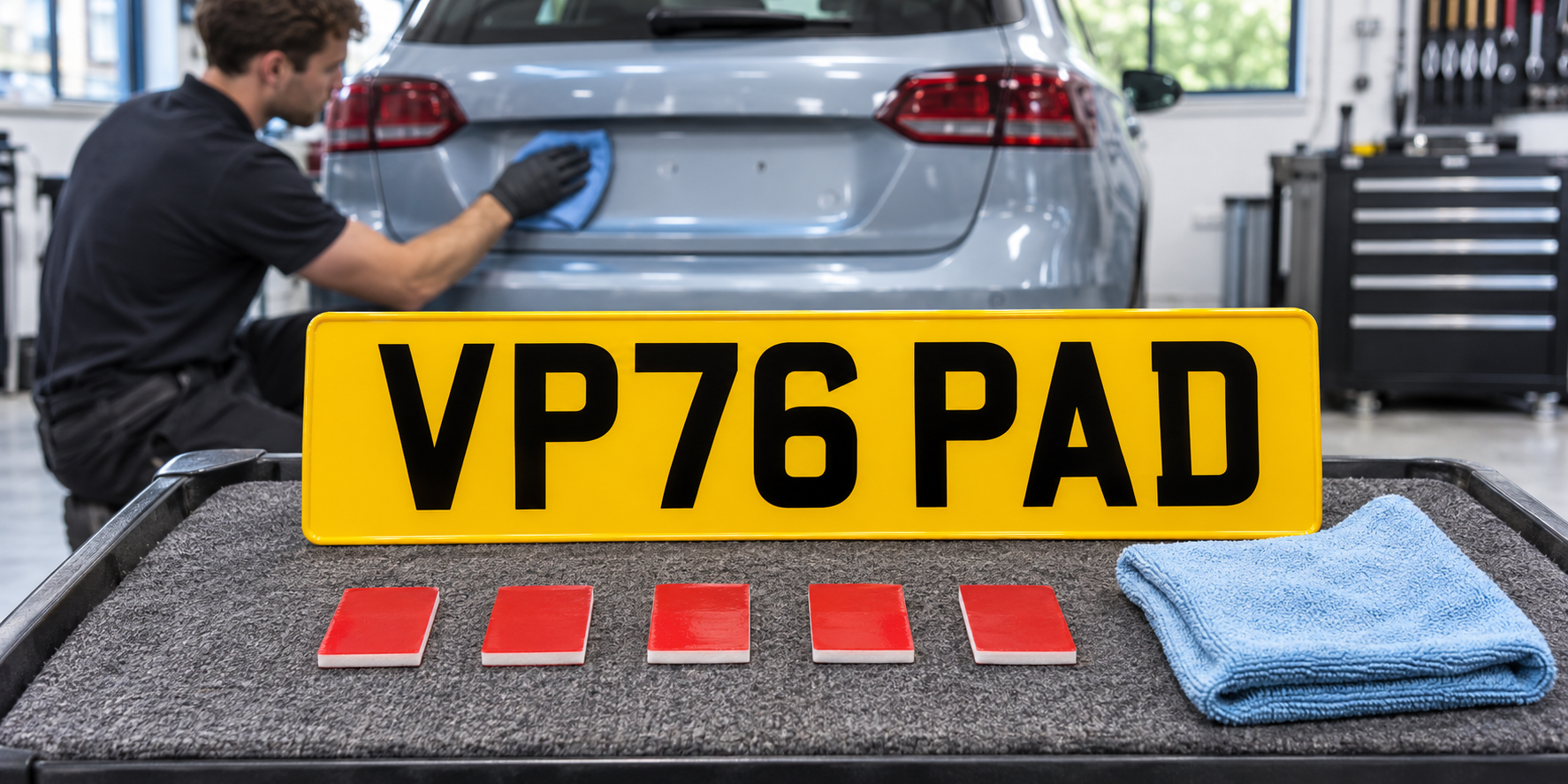
Prepare the mounting area, position five adhesive pads evenly and complete a secure visibility check before driving.
Read the guide →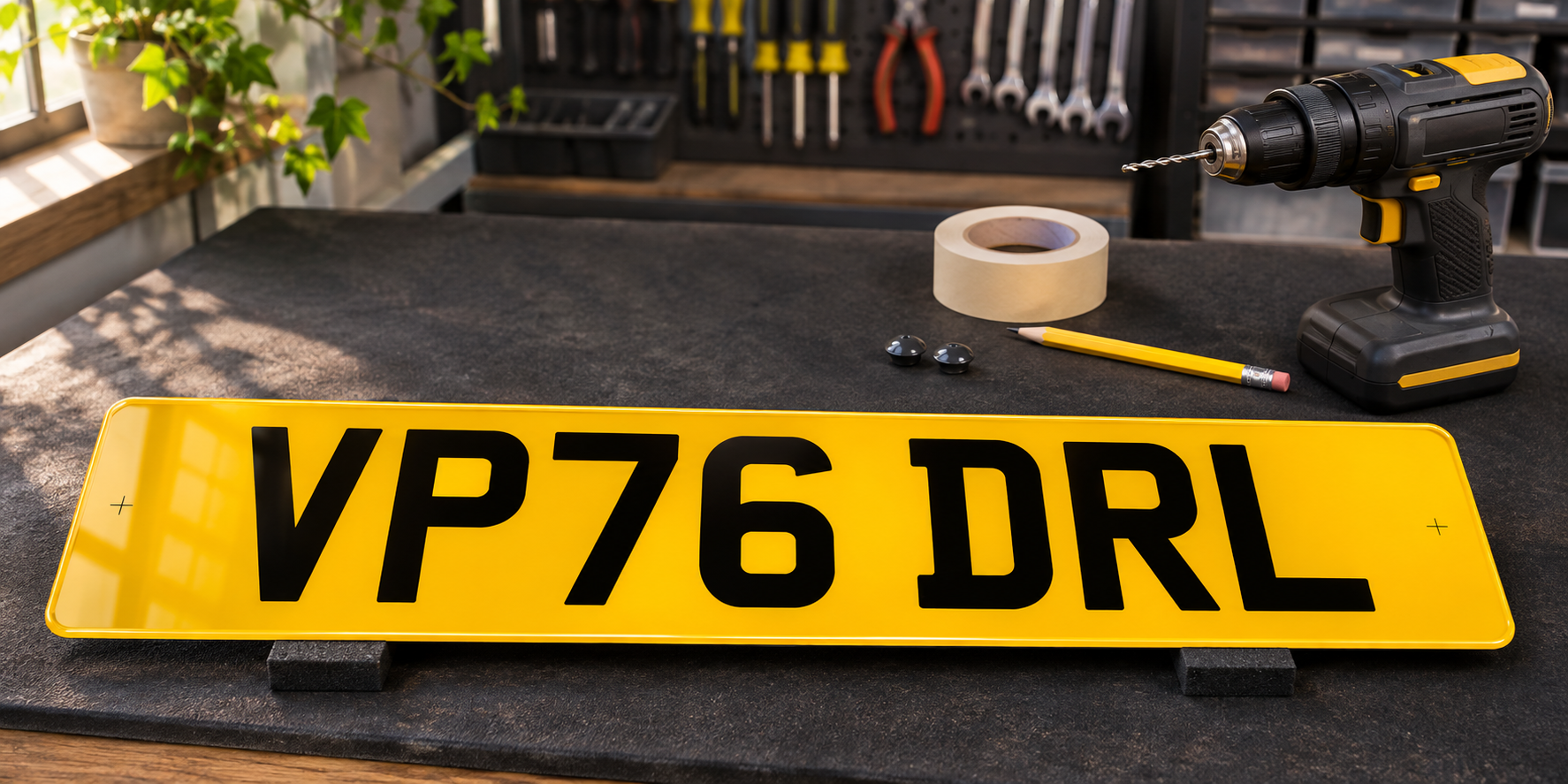
Plan screw positions, protect the lettering and reflective face, drill with the plate supported and complete a secure post-fitting check.
Read the guide →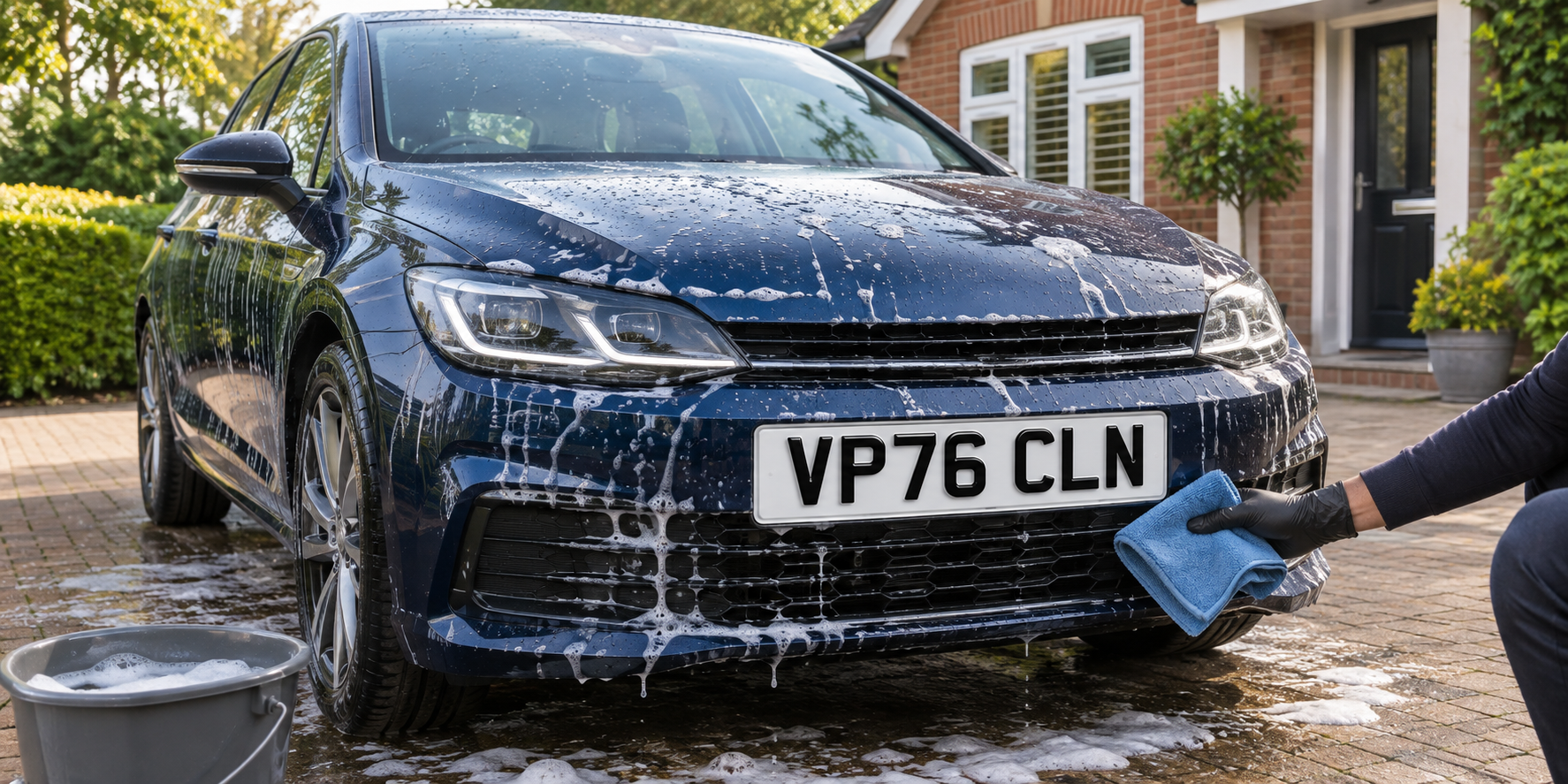
Use a gentle wash routine for raised gel and acrylic lettering, avoid damage around character edges and finish with a visibility and security check.
Read the guide →
Understand what 520 × 111mm means, which character dimensions and margins matter, and how to choose a plate that fits your vehicle and registration.
Read the guide →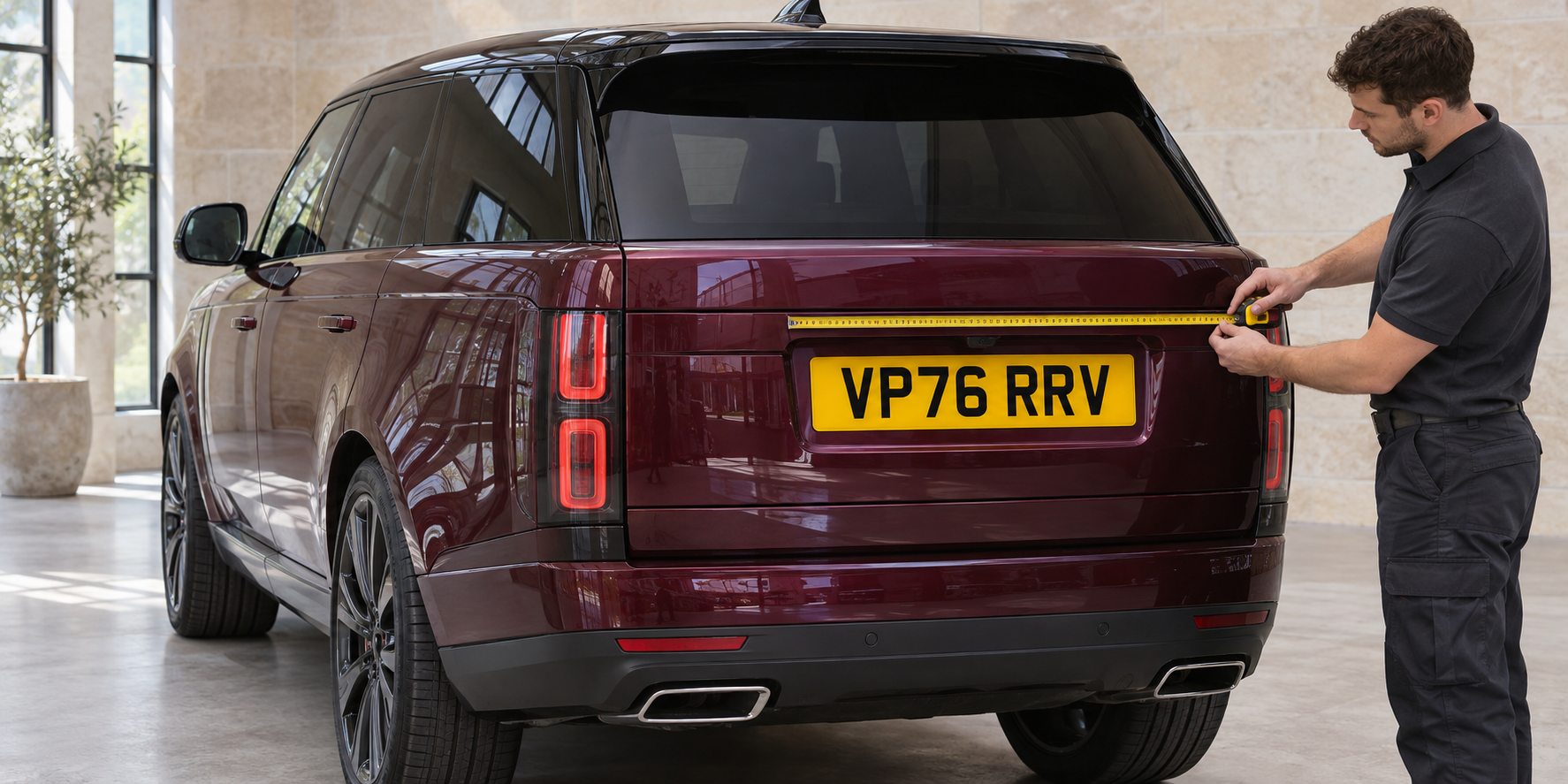
Measure the rear recess, compare it with the front mounting area and choose Vista's Range Rover rear fitment without assuming every model uses the same plate.
Read the guide →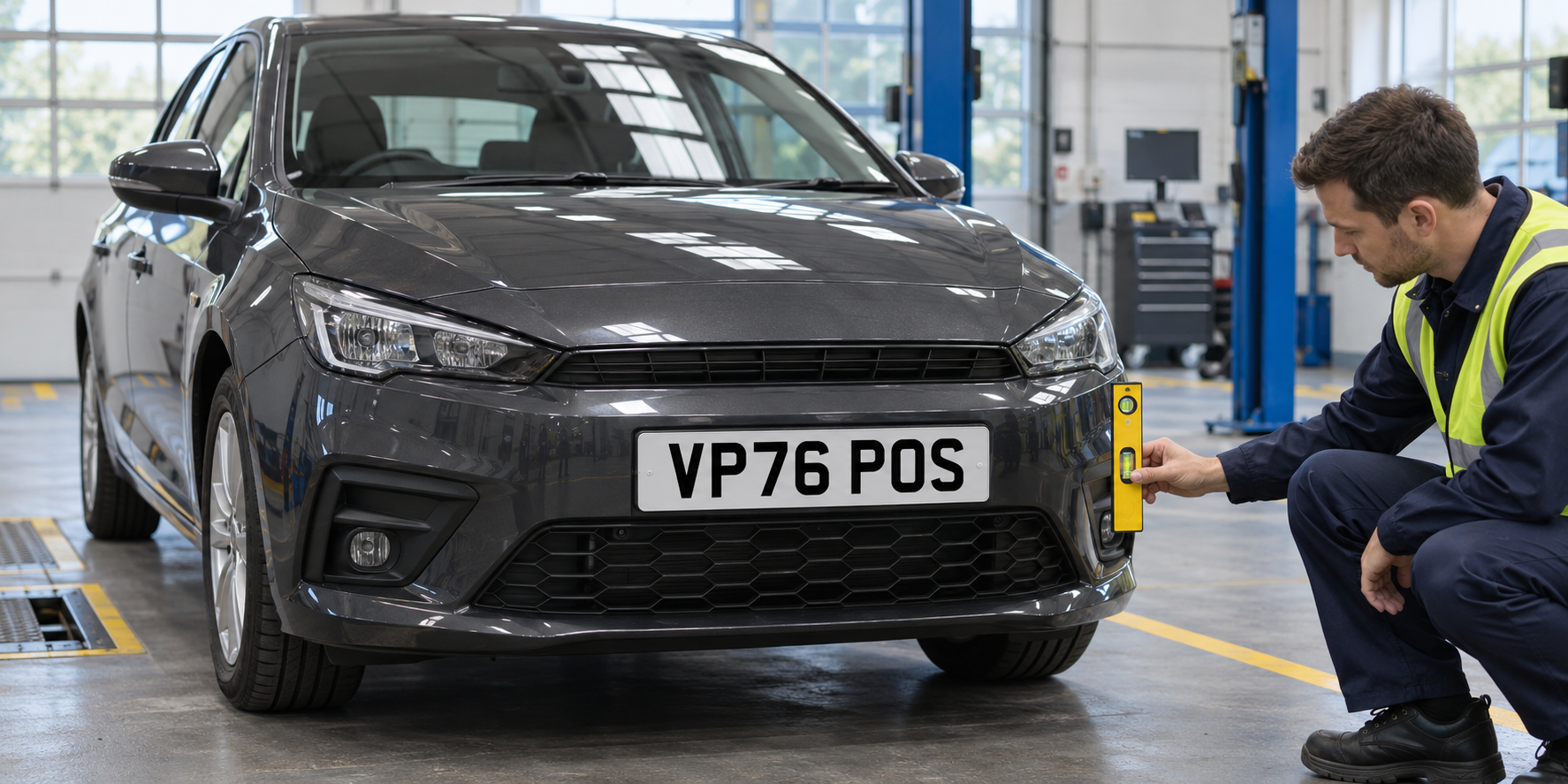
Check the correct end of the vehicle, keep the plate upright and visible, avoid obstructions and complete a secure post-fitting inspection.
Read the guide →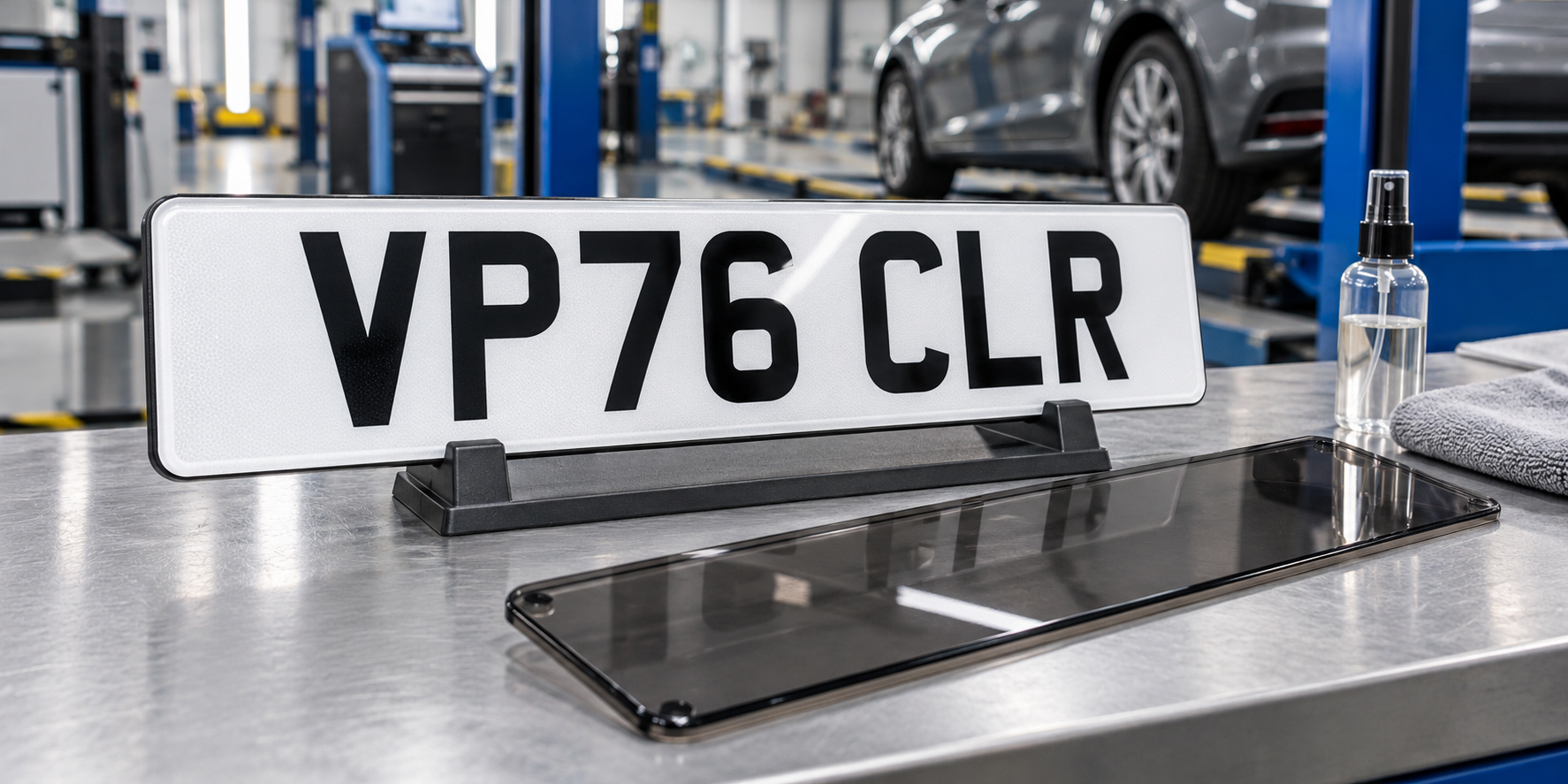
Understand why a tint, film, cover or spray must not obscure a UK registration, change its appearance or interfere with a clear photographic image.
Read the guide →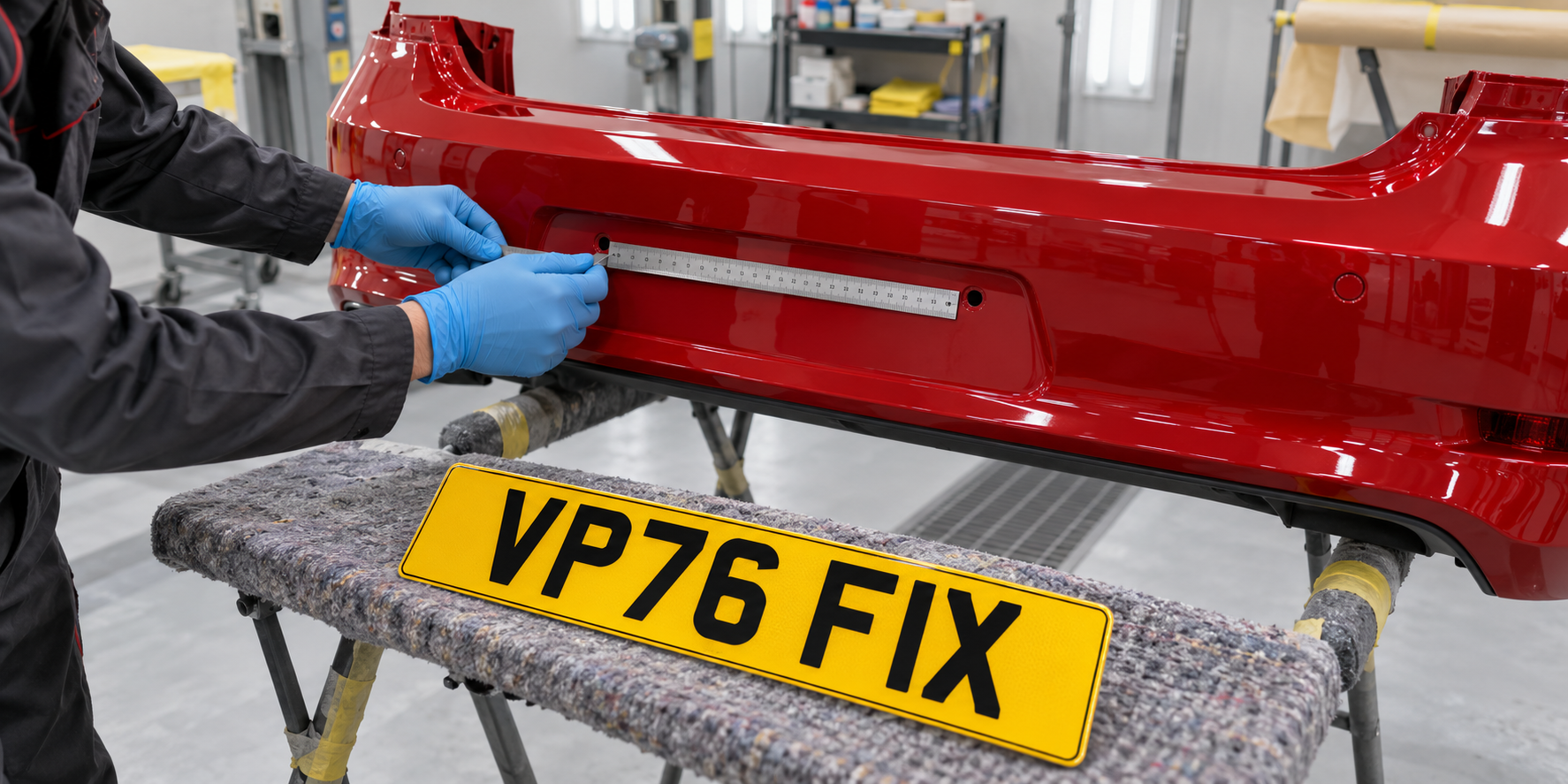
Record the registration, inspect the plate and mounting area, then complete secure fitting and visibility checks after bumper or paint repairs.
Read the guide →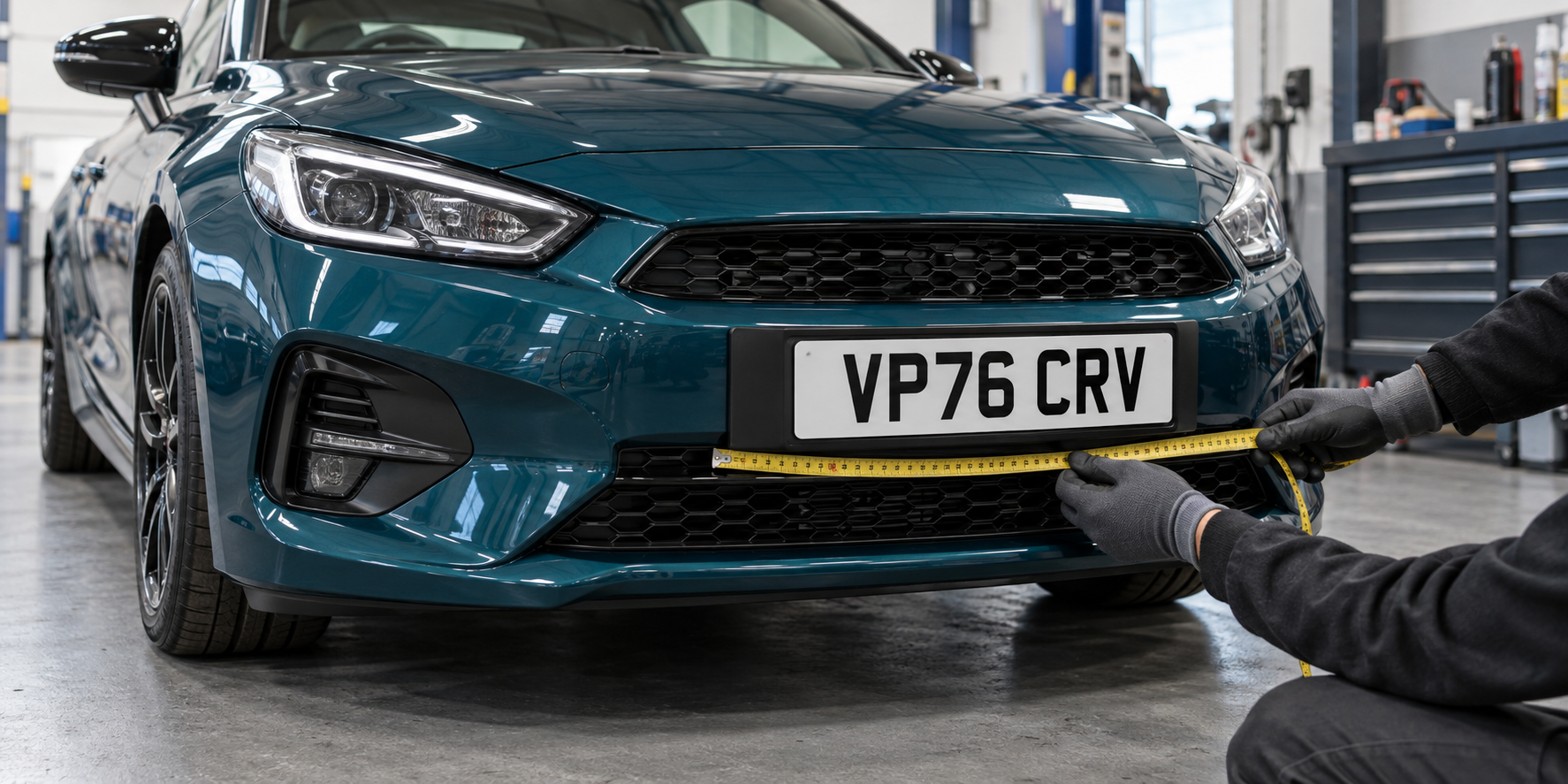
Measure an awkward bumper or recess, keep the plate flat and readable, and choose a secure mounting method without forcing the acrylic.
Read the guide →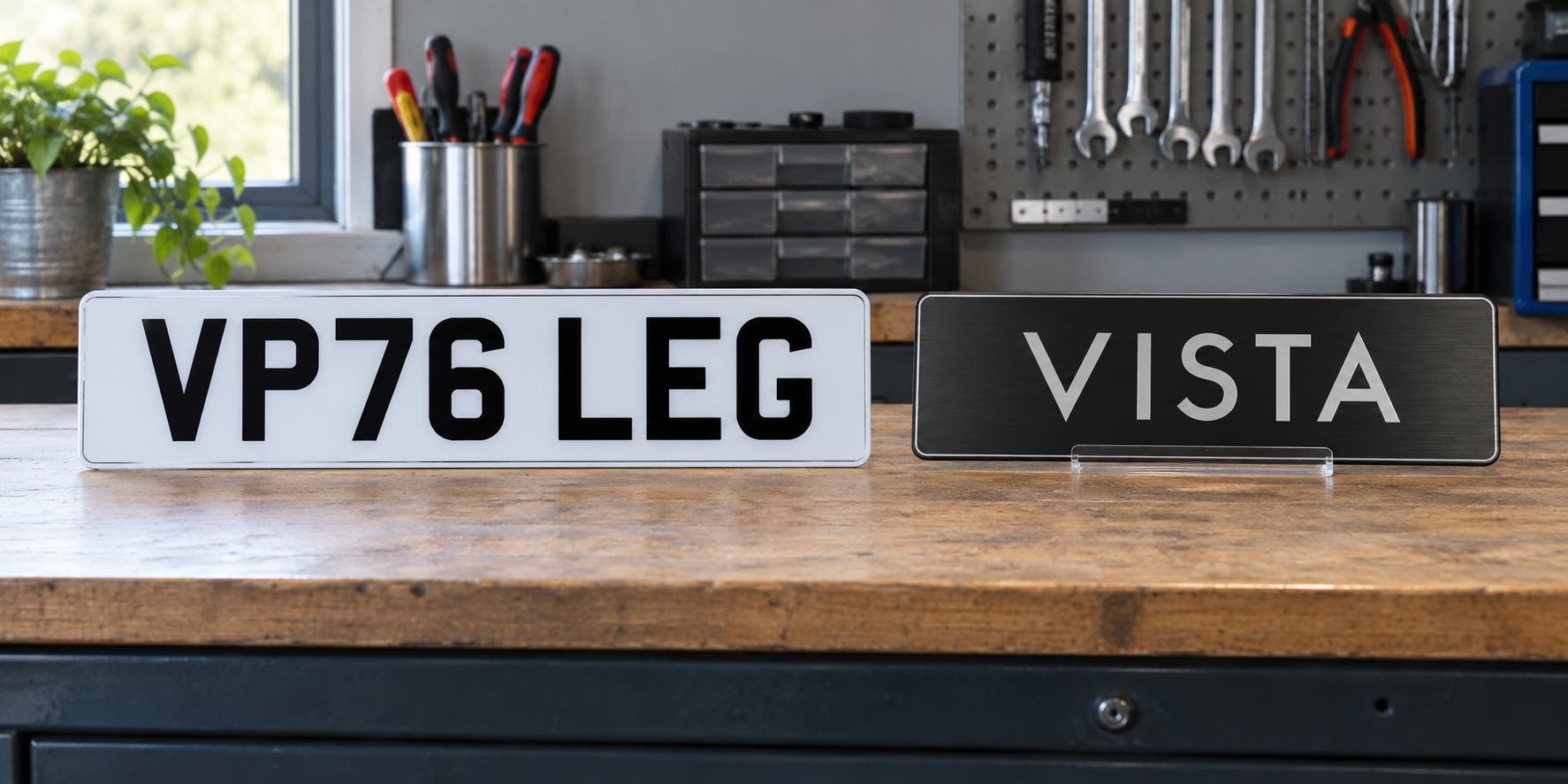
Choose the right plate type for road use or display, understand the markings and spacing, and check your Vista builder selection before ordering.
Read the guide →
Measure a van's front and rear mounting areas, keep the rear plate and lamps clear, and add number plates to a practical walkaround check.
Read the guide →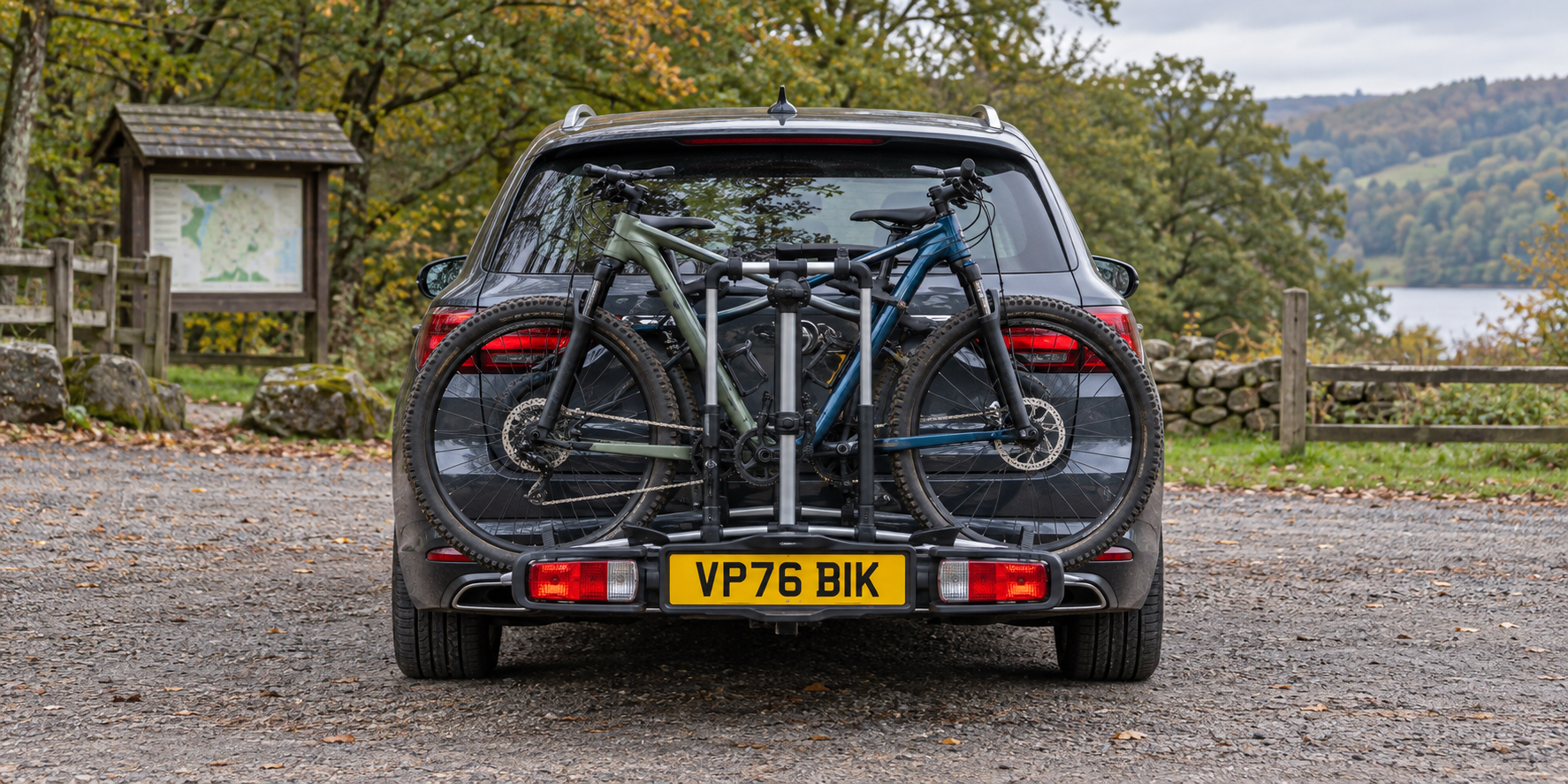
Check whether a rear-mounted bike rack hides your registration, lamps or reflectors, and prepare a clear carrier-mounted rear plate before travelling.
Read the guide →
Check the registration, V5C, DVLA record, plate condition and replacement needs before completing a used-car handover.
Read the guide →
Know what to do if a plate disappears, how theft-resistant options can help and what you need to order a compliant replacement.
Read the guide →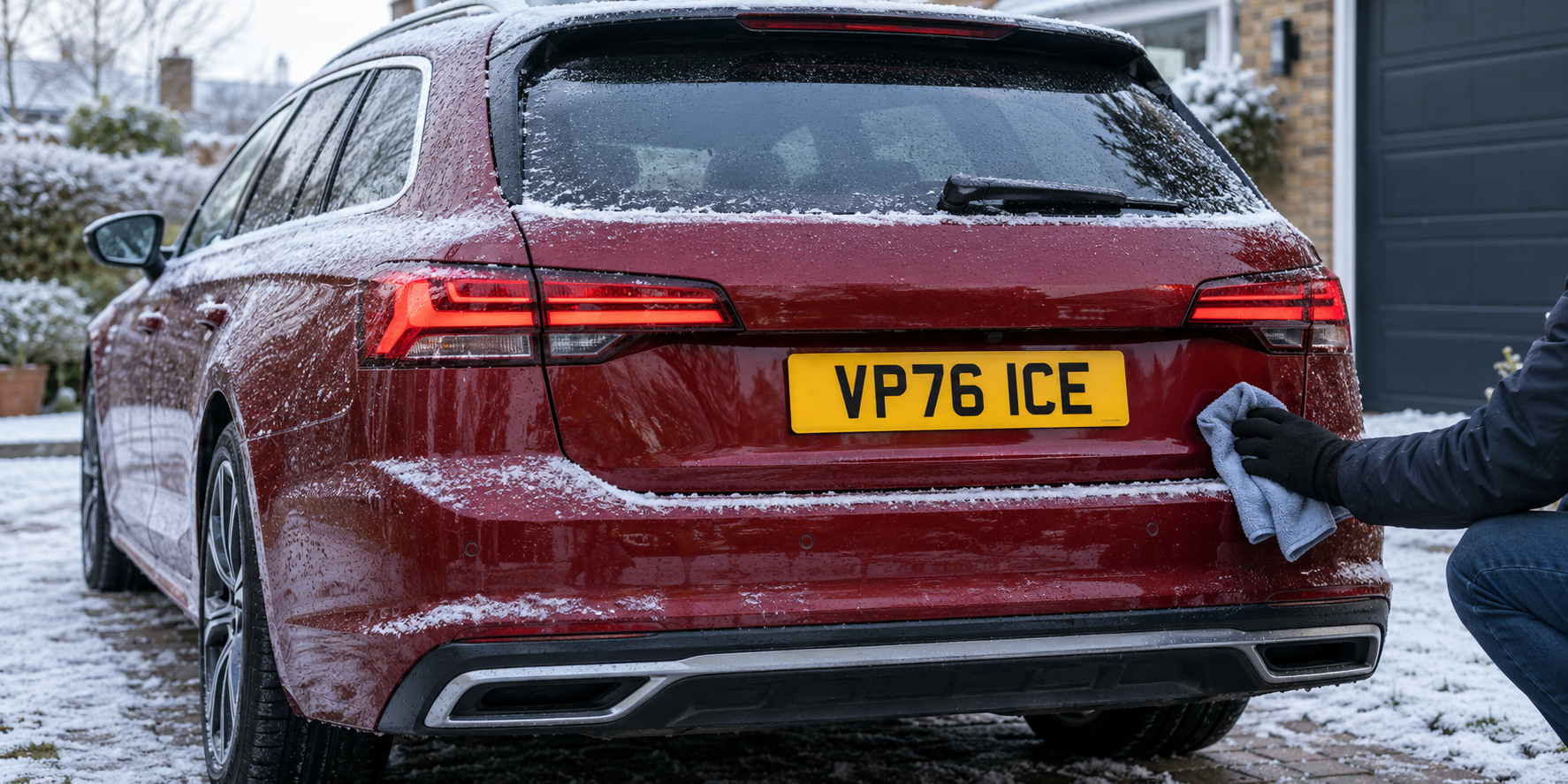
Keep your registration visible through winter with a practical pre-drive check and gentle cleaning routine for snow, frost, salt and road grime.
Read the guide →
Understand the limited imported-vehicle exception for smaller plates, what to measure and what still needs checking for UK road use.
Read the guide →
Check the fixed pre-1980 eligibility rule, historic tax class and display details before choosing traditional black-and-silver number plates.
Read the guide →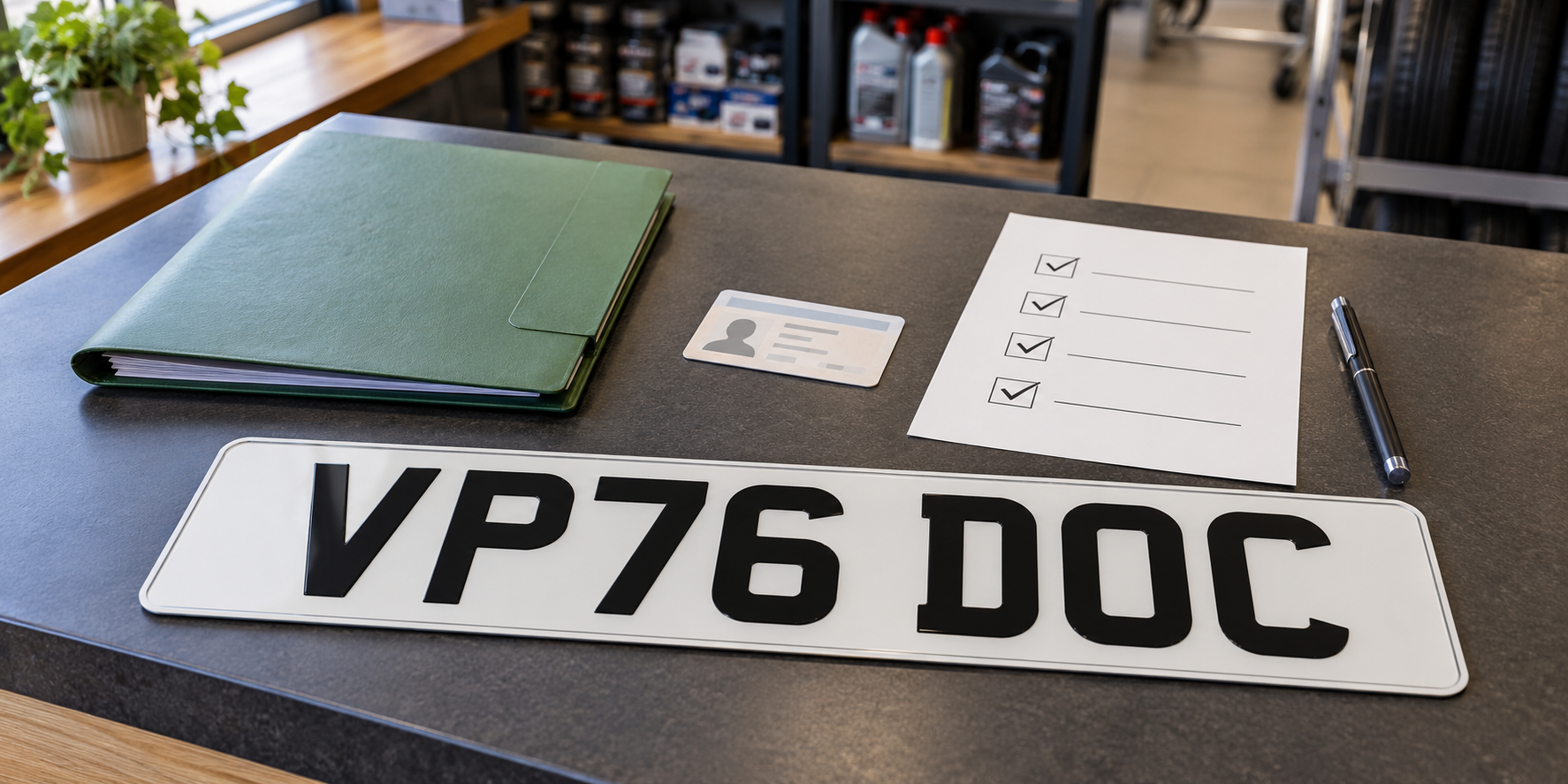
Prepare the identity and registration-entitlement documents a registered supplier needs before making road-use number plates in the UK.
Read the guide →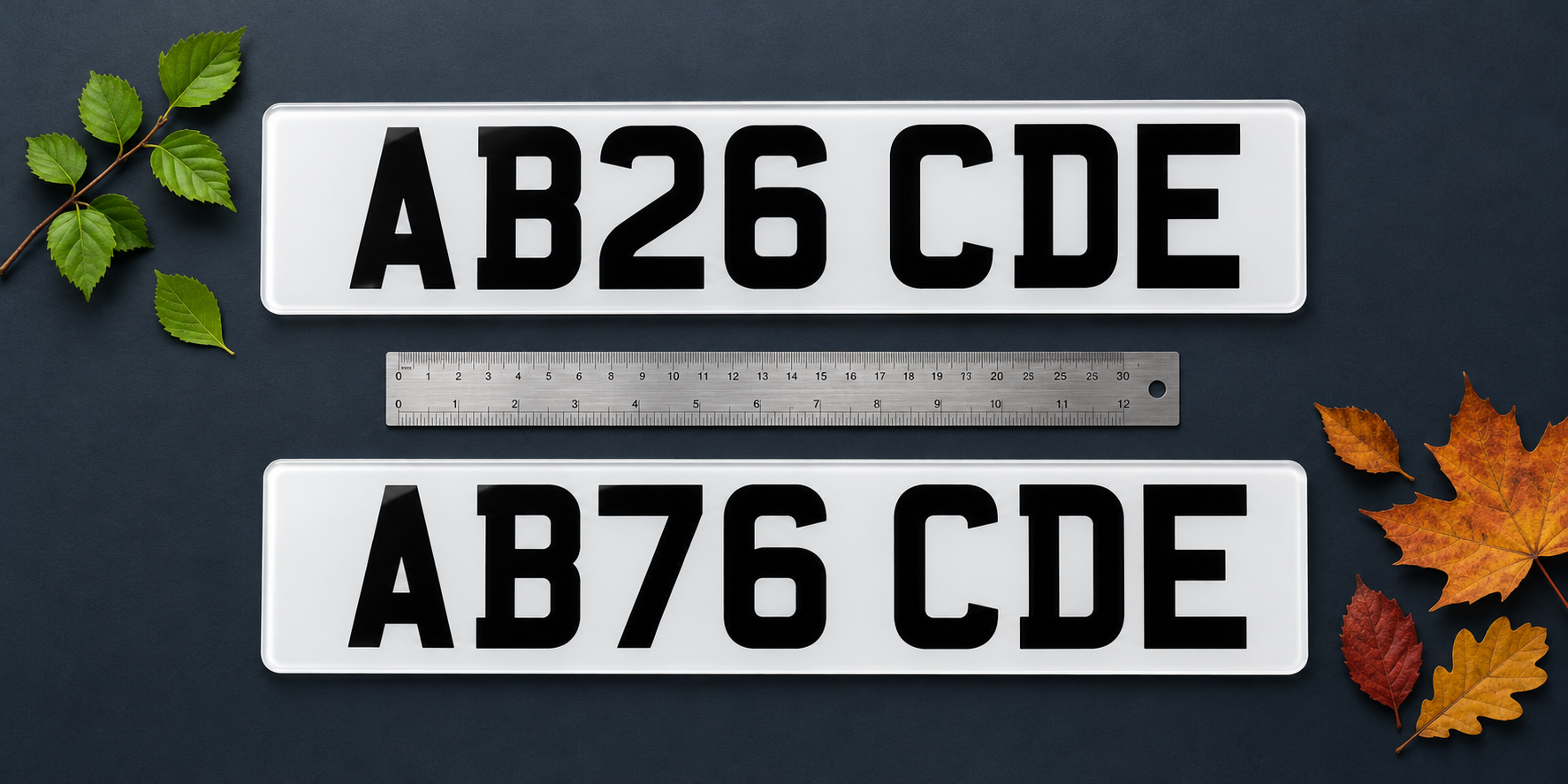
Understand the two-number age identifier in a current UK registration, including when 26 and 76 plates were issued and what to copy when ordering.
Read the guide →
Check reflective plate backgrounds, rear number plate lamps and the simple cleaning and condition checks that keep a registration visible after dark.
Read the guide →
Understand the supplier details and British Standard marking on UK road-use number plates, where to find them and what an MOT does not check.
Read the guide →
Compare Vista's 20, 18, 16 and 14-inch hex plate options, check your registration length and measure the mounting area before ordering.
Read the guide →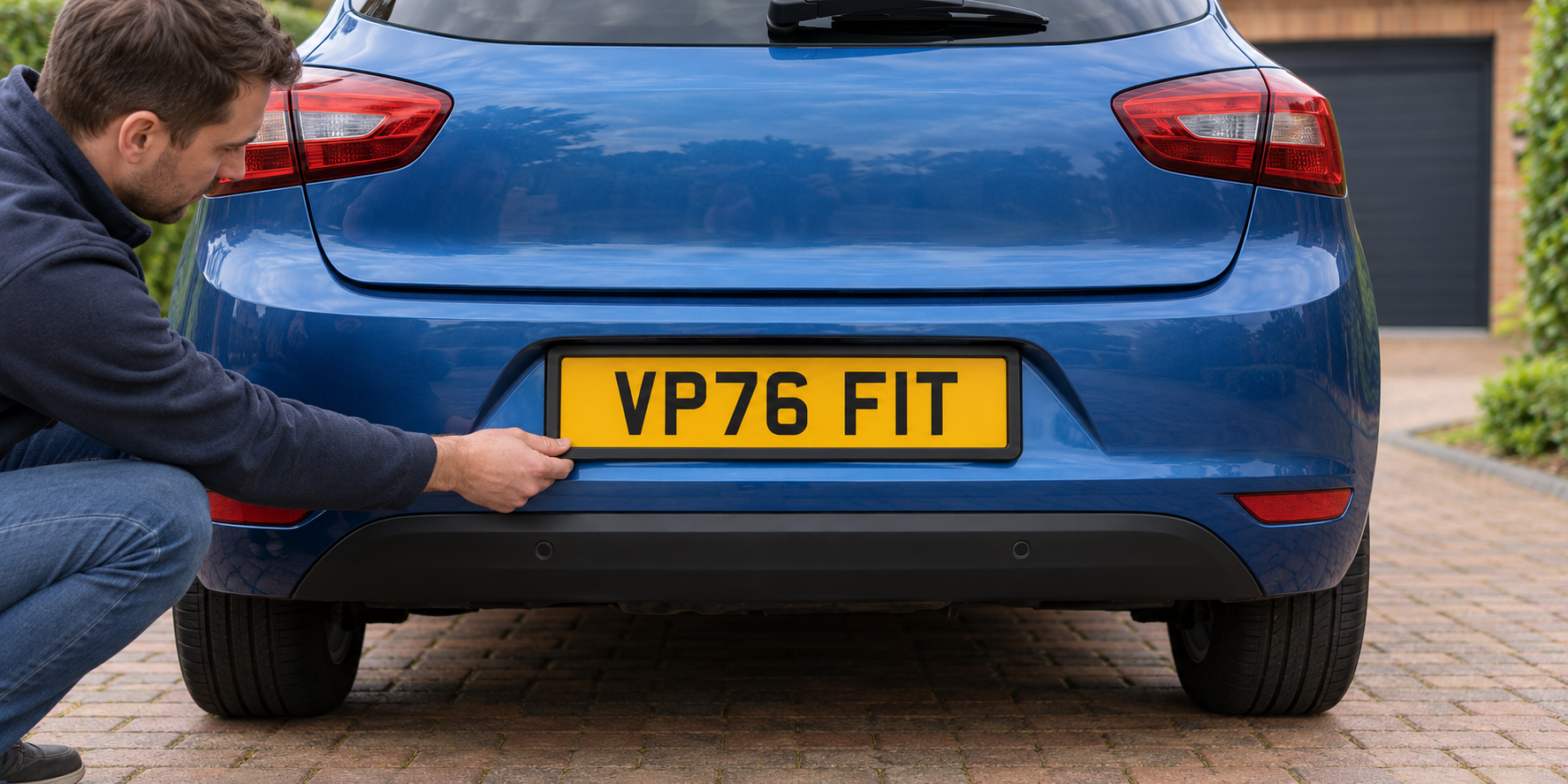
Compare plate holders, sticky pads and screws, then check the size, mounting surface and finished fit before driving.
Read the guide →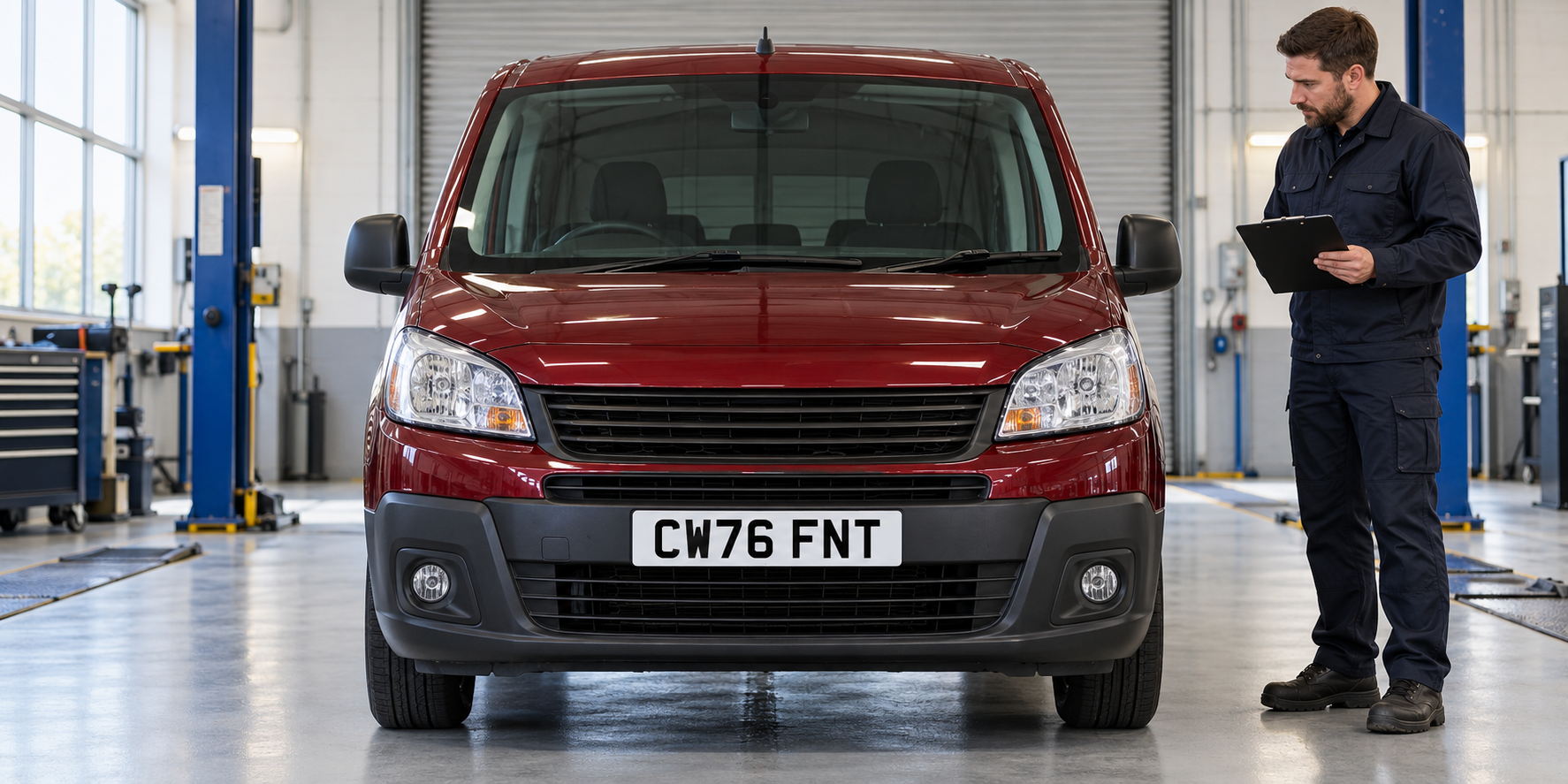
Learn which lettering style UK road-use number plates need, what an MOT checks and how raised characters affect the finished design.
Read the guide →
Compare Vista's number plate border colours and learn what to check around the characters, margins and complete road-use specification.
Read the guide →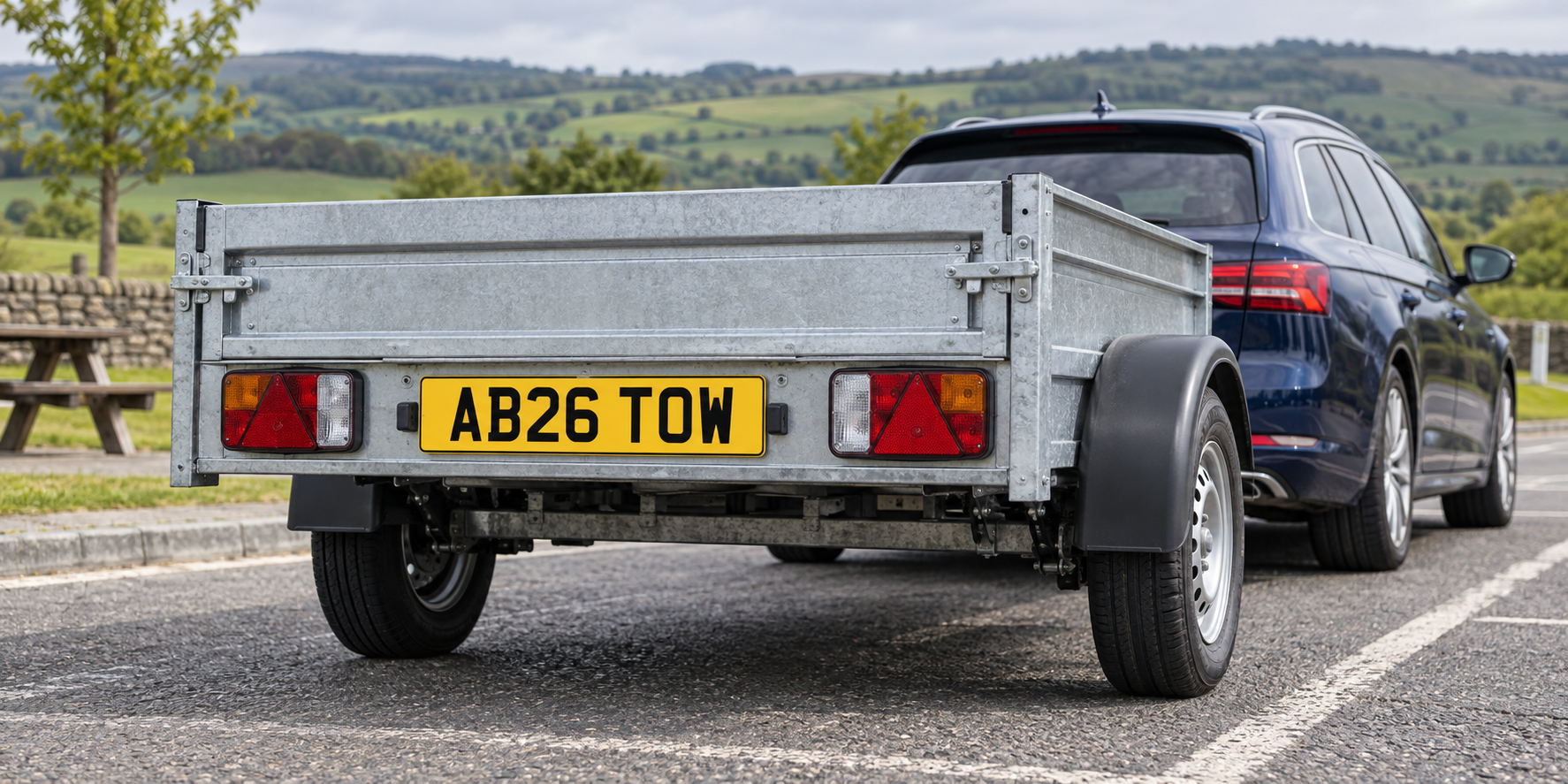
Check which registration a UK trailer should display, order the correct rear plate and understand the separate rules for some trips abroad.
Read the guide →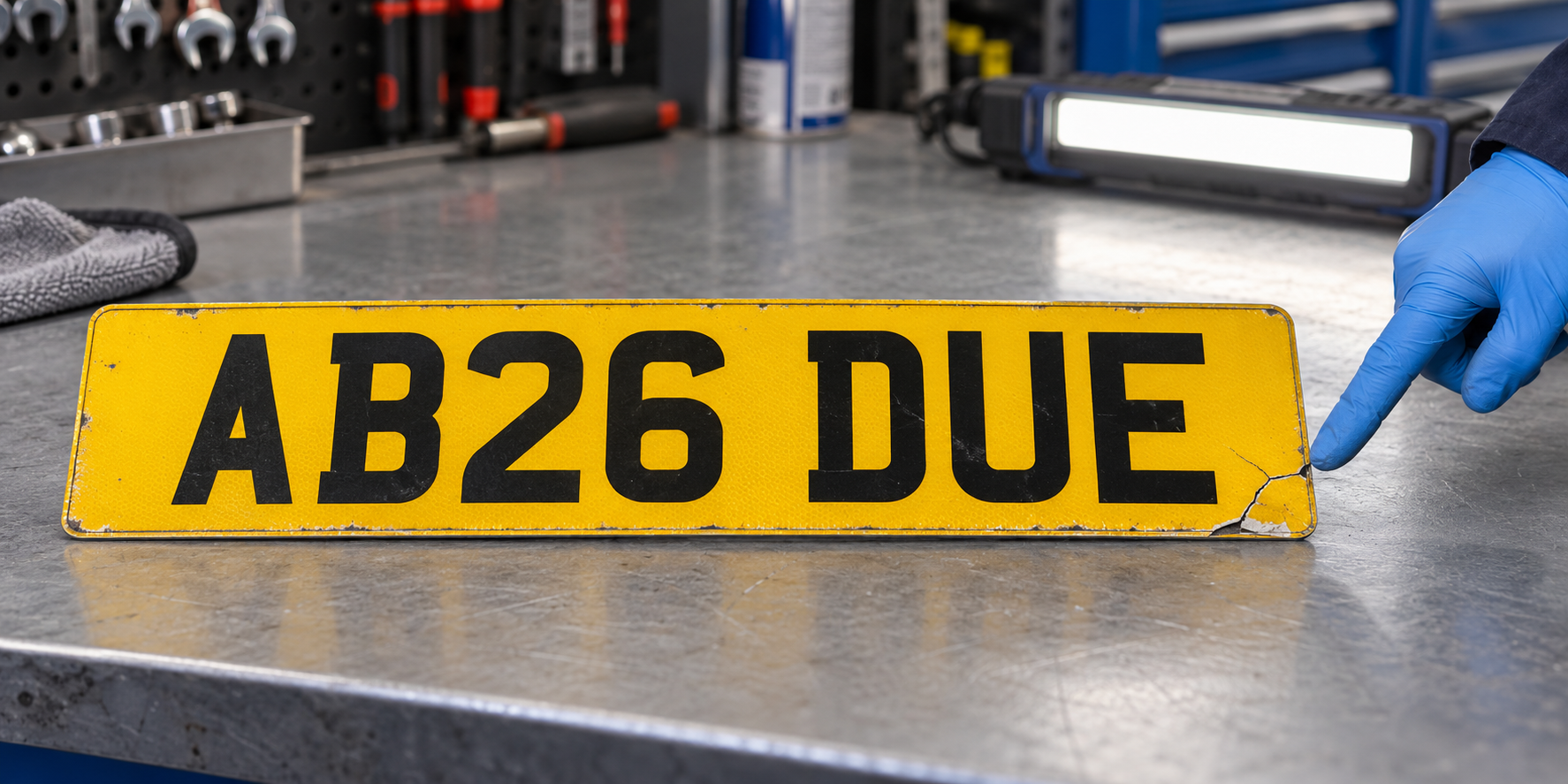
Check cracks, delamination, fading, fixings and legibility before an MOT, then plan a suitable replacement plate if needed.
Read the guide →
Learn which vehicles can display a green flash, how to choose an EV badge and what to check before ordering replacement plates.
Read the guide →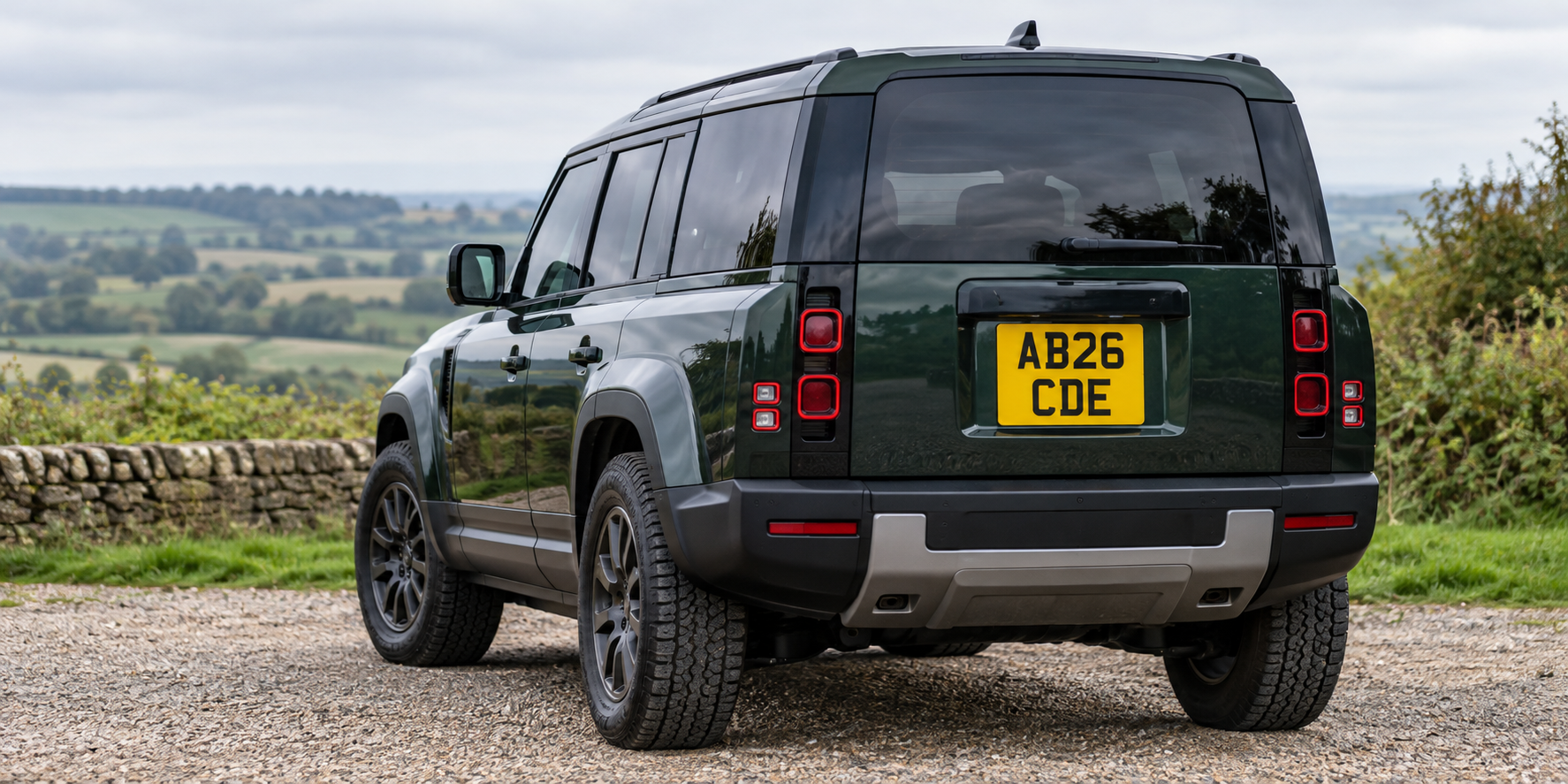
Measure a square plate recess, check a one- or two-line registration layout and review the complete specification before ordering.
Read the guide →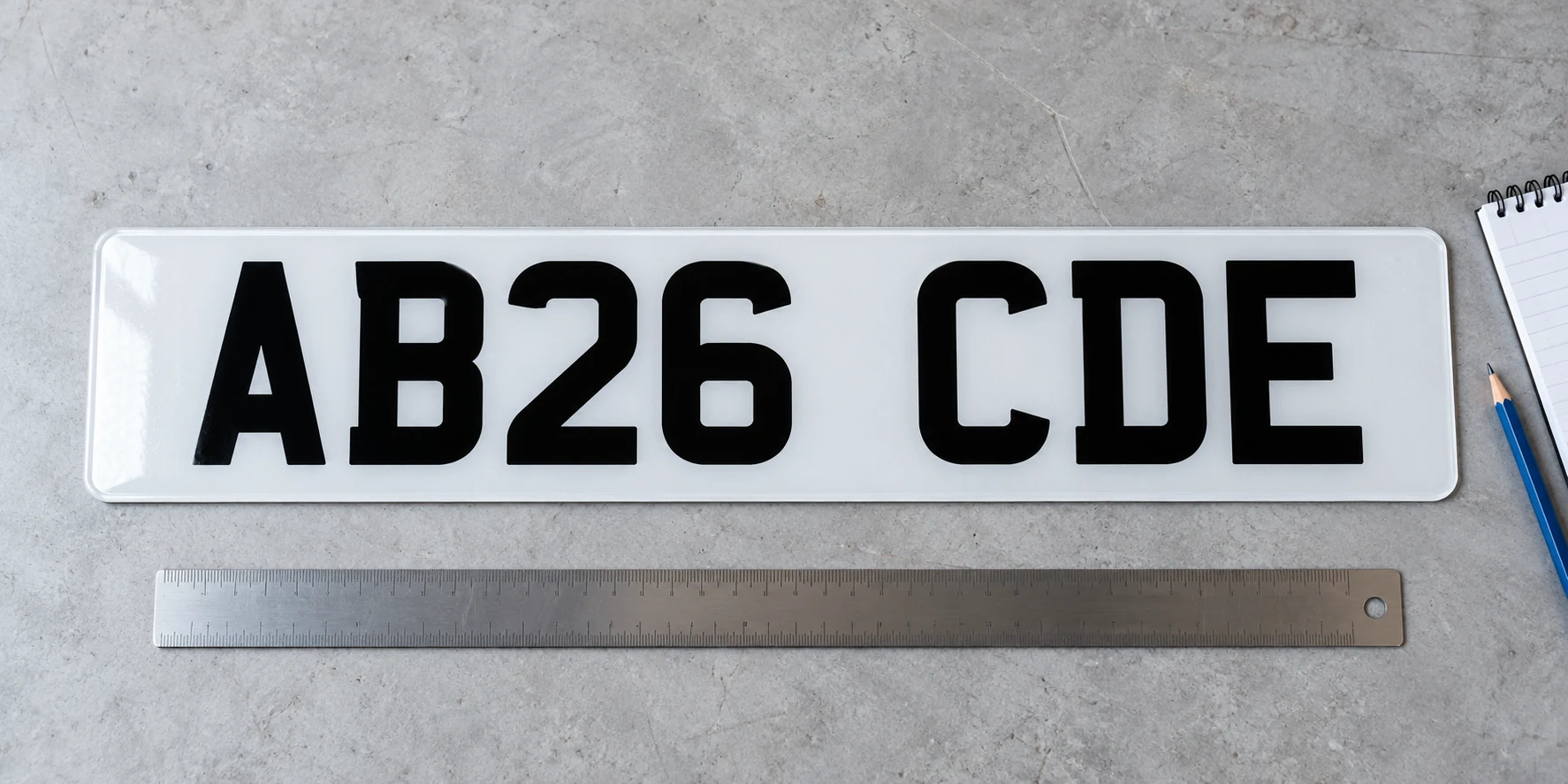
A practical guide to checking UK registration spacing, avoiding altered layouts and reviewing your number plate preview before ordering.
Read the guide →
Plan your private registration change: check entitlement documents, choose your plates and know what to update before driving.
Read the guide →
Compare Vista's 3mm and 5mm acrylic lettering, single and pair prices, and what to check around your plate holder before ordering.
Read the guide →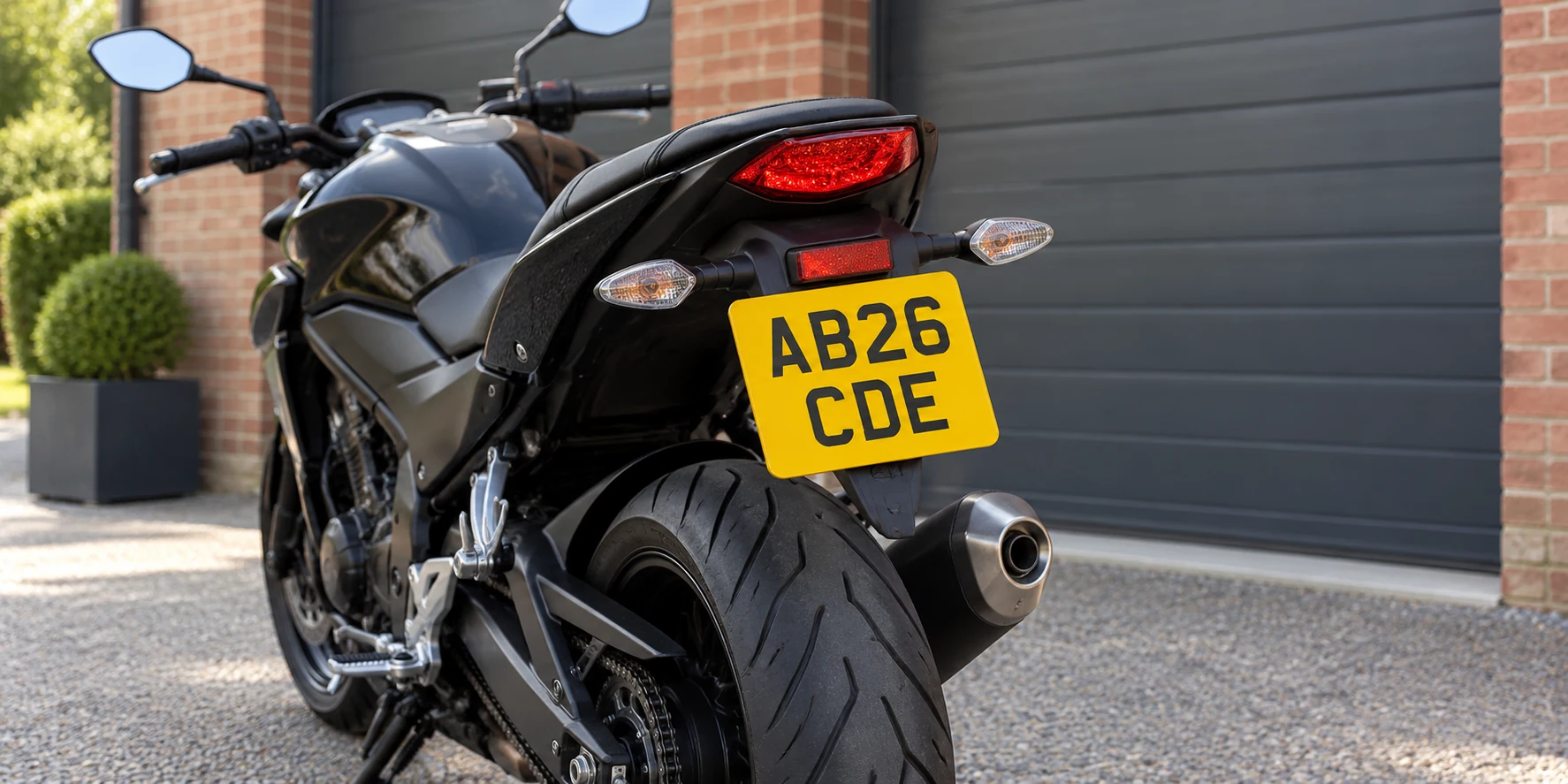
What to check before ordering a motorcycle number plate, including the two-line layout, rear display rules and Vista bike sizes.
Read the guide →
Choosing a flag badge? Learn when a separate UK sticker is needed abroad and what to check before ordering your plates.
Read the guide →
Compare flat printed, domed gel and raised acrylic lettering, including 3mm and 5mm options, before building your number plates.
Read the guide →
Raised lettering can be permitted, but the complete plate must comply. Learn what to check when ordering plates for road use.
Read the guide →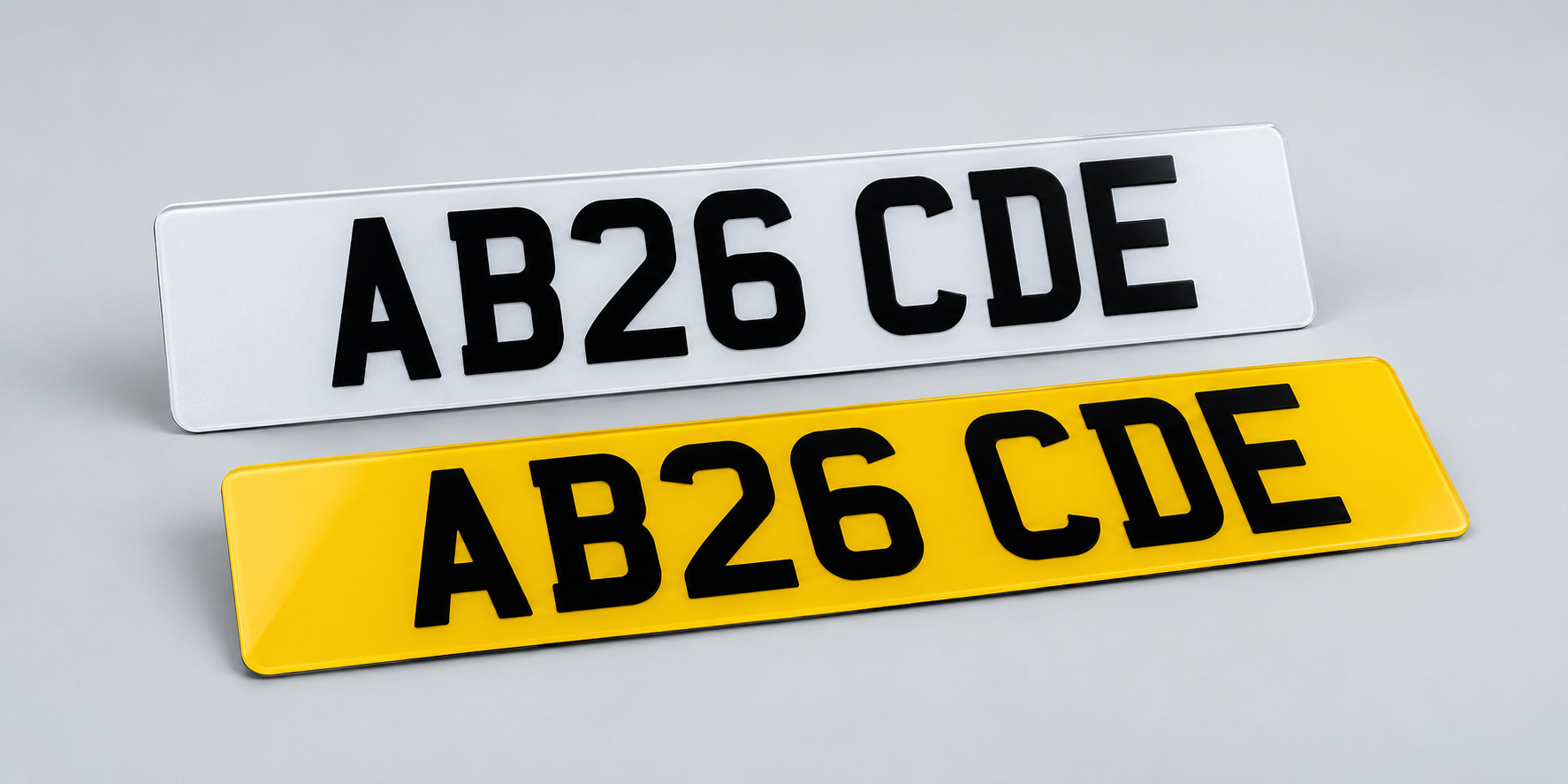
A practical checklist for replacing a front plate, rear plate or pair, from choosing the size to checking your order details.
Read the guide →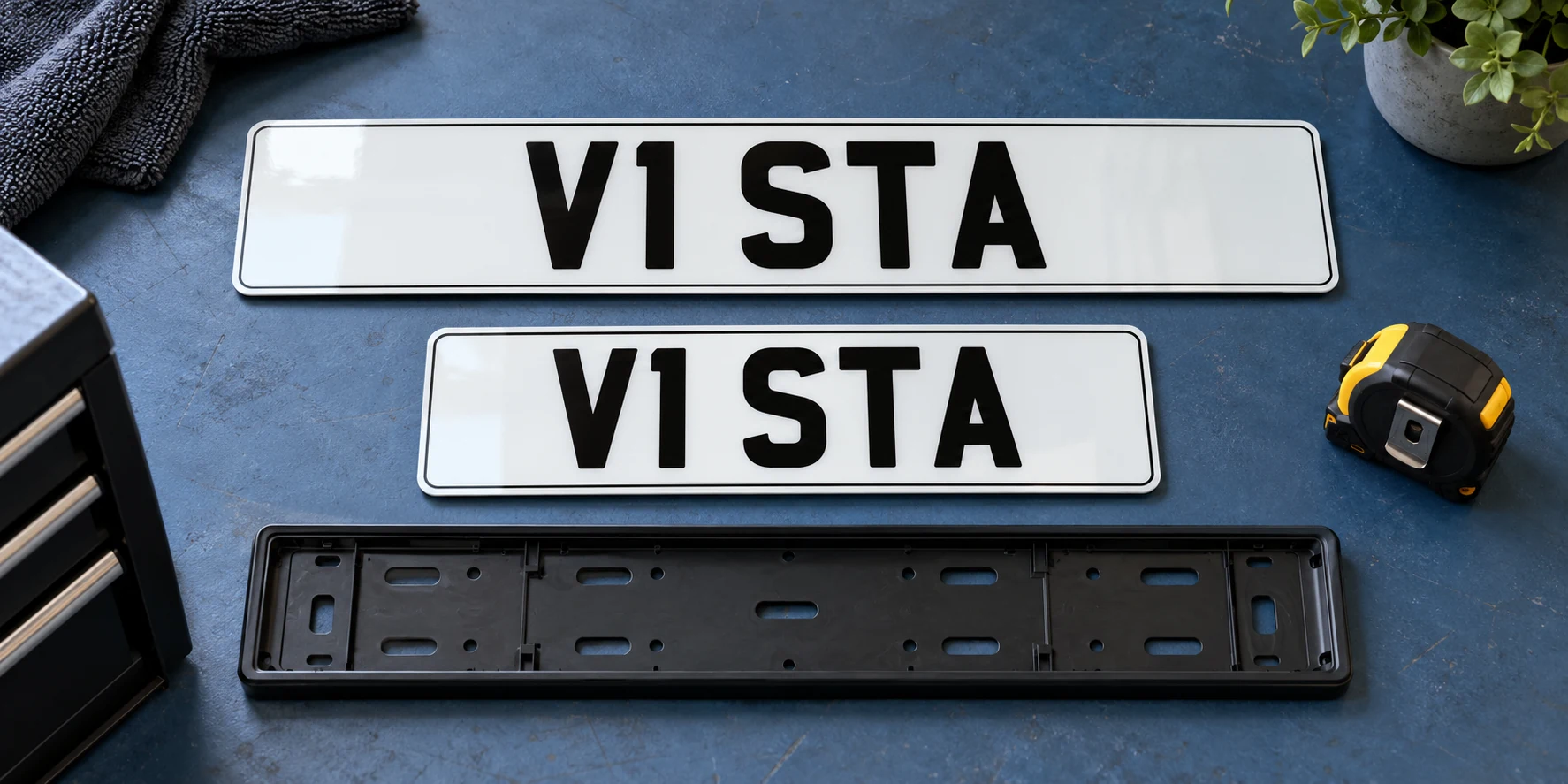
Check registration length, vehicle mounting space and available options before choosing 18, 16 or 14 inch short plates.
Read the guide →
Prepare your mounting surface, choose suitable fixings and care for printed, gel or acrylic lettering with this practical guide.
Read the guide →Choose your size, compare lettering finishes and review your registration in our online builder.
Build your plates