
Private registration plates: an ordering and fitting checklist
Plan your private registration change: check entitlement documents, choose your plates and know what to update before driving.
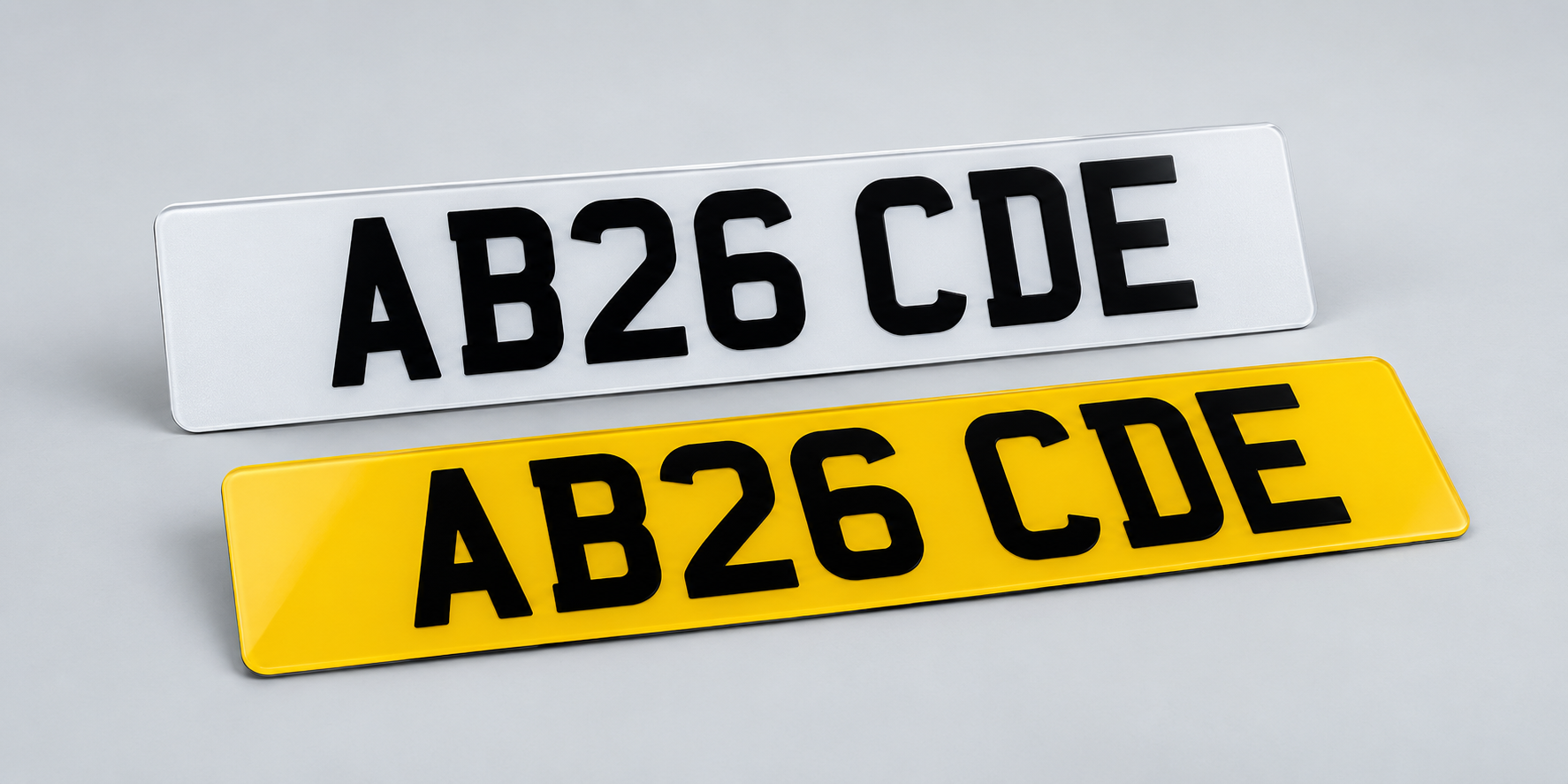
Plan the registration change and the physical plates
Changing to a private registration involves both the DVLA assignment and the plates you fit to the vehicle. Plan these together so you have the correct plates ready when the registration changes.
GOV.UK says an online assignment can take effect immediately if no inspection is needed. After assignment, you must fit the new plates before driving. Ordering physical plates does not assign the number to your vehicle; follow DVLA's process and confirmation.
Check eligibility before choosing a design
A private number must not make the vehicle appear newer than it is. GOV.UK also sets restrictions for Q and QNI registrations and other vehicle eligibility conditions. Check the official assignment guidance for your vehicle before planning the change.
If you already have a private number on the vehicle, DVLA says to apply to remove it first so you do not lose the right to use it. For a used vehicle you have just bought, wait for the V5C in your name before applying.
Have the right documents ready for manufacture
GOV.UK says a registered plate supplier must see original evidence of your name and address and your entitlement to the registration. A driving licence is one identity option; a passport confirms your name only, so check what address evidence is needed too.
Accepted entitlement documents include a V750 certificate of entitlement, a V778 retention document and a V5C. Use the official list for your circumstances, then contact Vista about document submission before manufacture. Keep document reference numbers private rather than posting them in public comments.
Choose the size and finish for your vehicle
For a car changing registration, review both a white front and a yellow rear plate. Measure each mounting area, including any holder or recess. A short registration may give you more size options, but check the builder's character limit and the complete road-use layout before selecting a short plate.
Compare flat 2D, domed 3D gel and raised 4D finishes using the product photographs. Choose Road Legal for road use, then check the registration, front and rear sizes, finish, available badge or border and fixings. A private registration still needs the prescribed character style and spacing.
Check the plates and update your accounts
Before fitting, compare every letter and digit with the registration confirmed by DVLA. Check both plates, their mounting positions and your chosen finish while they are still unfitted. If anything looks wrong, contact Vista before drilling or attaching them.
Tell your insurer about the new registration and update any road-charge payment accounts, such as Dart Charge or Clean Air Zone accounts. As a practical extra, check parking permits, workplace access and other services that recognise your vehicle by its number.
Official guidance checked on 8 October 2026. Recheck the linked GOV.UK pages when you are ready to make the change.
- Check the DVLA assignment requirements for your vehicle.
- Arrange the plates and documents before changing registration.
- Review both plate previews and the full specification.
- Fit the correct plates after assignment and before driving.
- Update your insurer and vehicle-linked accounts.