
Black and silver number plates: which historic vehicles qualify?
Check the fixed pre-1980 eligibility rule, historic tax class and display details before choosing traditional black-and-silver number plates.
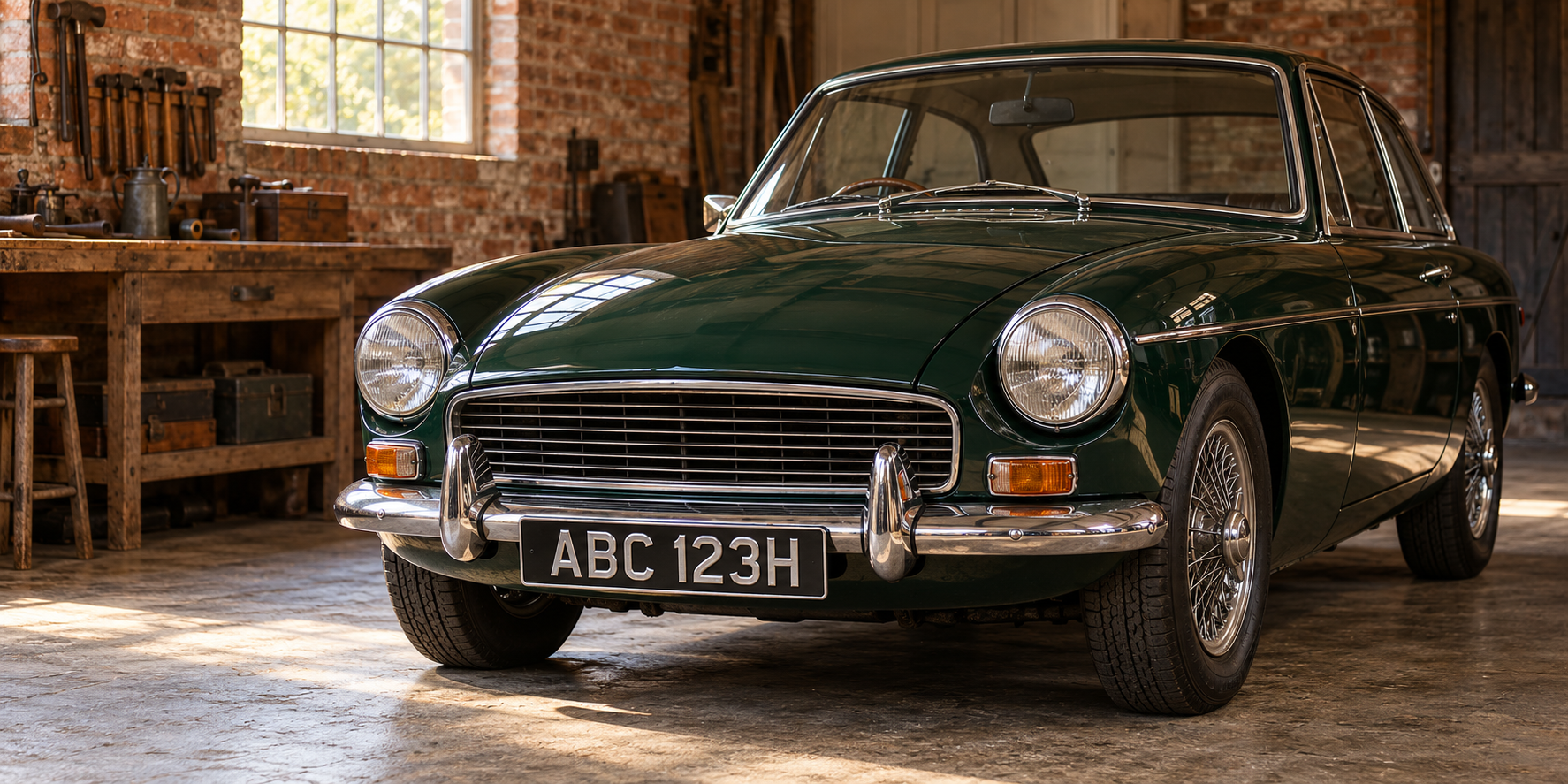
What is a traditional black-and-silver plate?
DVLA leaflet INF104 describes traditional 'black and white' number plates as white, silver or grey characters on a black plate. The familiar black-and-silver finish is one version of that historic style.
It is not simply a colour option for any vehicle. Eligibility depends on when the vehicle was manufactured and whether the DVLA record has been moved into the historic vehicle tax class.
The vehicle must have been made before 1 January 1980
INF104 says vehicles manufactured before 1 January 1980 can display traditional black plates only after an application to DVLA and registration in the historic vehicles tax class. The current DVSA MOT manual uses the same manufacturing cut-off when checking white, grey or silver characters on a black background.
The date is about the vehicle's construction, not the age suggested by a cherished registration. A private number cannot make an ineligible vehicle qualify for the traditional colour scheme.
Historic tax exemption and plate eligibility are not the same
From 1 April 2026, GOV.UK says vehicles built before 1 January 1986 can apply for the historic vehicle tax exemption. That rolling tax threshold is newer than the fixed black-plate cut-off.
This means a vehicle built from 1 January 1980 to 31 December 1985 may qualify for the historic tax class in 2026 but still sit outside the traditional black-and-silver plate rule. Do not rely on tax exemption alone; check the construction date and the V5C record.
The registration must still be displayed correctly
Historic colours do not remove the rules governing the registration itself. The characters must remain clear, correctly arranged and in a format appropriate to the vehicle's age. INF104 provides separate character dimensions for traditional plates fitted to qualifying vehicles.
Keep fixings away from the letters and numbers, and make sure the complete plate is secure and visible. The DVSA manual checks character size, stroke width, spacing, format and legibility as part of the registration-plate inspection.
Check eligibility before ordering
Check the vehicle's construction date and confirm that it is registered in the historic tax class before ordering a road-use black plate. If the records are unclear, contact DVLA rather than judging eligibility from the vehicle's appearance, registration or MOT exemption alone.
A road-use plate must be supplied by a registered number plate supplier, which will need original identity and registration-entitlement documents. Vista's online builder shows the available modern white-front and yellow-rear options; confirm any historic specification and availability before placing an order. Official guidance checked on 22 October 2026.
- Confirm the vehicle was manufactured before 1 January 1980.
- Check that DVLA records it in the historic vehicle tax class.
- Do not confuse the rolling tax exemption with black-plate eligibility.
- Keep the registration correctly arranged and fully legible.
- Use a registered supplier and prepare the required documents.